Supply and Demand Explained With Real-World Examples
Supply and demand explained through concert tickets, avocados, gas prices, and rent. Different markets, same two forces pulling against each other to set the price.

Supply and demand explained: the basic idea
Supply and demand explained simply: demand is how much of something people want to buy at a given price. Supply is how much producers are willing to sell at that price. As a general rule, demand falls as price rises. Fewer people want to pay a premium. Supply rises as price rises too, since producers are more willing to sell when they get paid more for it. Economists call the point where those two tendencies meet the equilibrium price. That’s where the amount buyers want to purchase roughly matches the amount sellers want to offer.
That’s the textbook version. In practice, markets rarely sit still at a perfect equilibrium. Prices are constantly adjusting as conditions change. Watching those adjustments happen is a good way to actually understand the concept, better than staring at a supply-and-demand graph.
Concert tickets and the resale market
When a popular artist announces a tour, the venue sets a fixed number of seats. That’s the supply, and it’s basically locked in the moment the venue books the show. If demand for tickets is higher than the number of available seats at the original price, tickets sell out immediately. A resale market then appears. People who got tickets sell them to people who didn’t, often at several times face value.
This is supply and demand in its purest form: fixed supply, variable demand. The price moves entirely because of how badly people want in. It’s also why some artists have started using dynamic pricing, adjusting the face-value ticket price based on real-time demand. That way, they capture some of that value themselves, instead of leaving it for scalpers.
Why avocado prices swing so much
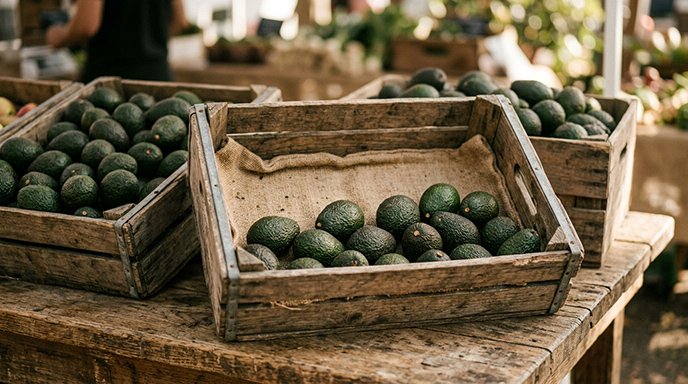
Avocados are a good example of a supply shock. Most U.S. avocados come from Mexico, and the crop is sensitive to weather, drought, and even seasonal harvest timing. When a poor growing season shrinks the supply, prices spike even though nothing about demand has changed. People still want the same amount of guacamole; there’s just less fruit to go around. So the price has to rise to ration the smaller supply among buyers.
The same pattern shows up with orange juice after a Florida freeze, or coffee after a bad harvest in Brazil. Any time a disruption hits a narrow, weather-dependent supply chain, prices react fast, because there’s no quick way to grow more.
Gas prices and a demand side you can’t ignore
Gasoline shows both sides of the equation clearly. On the supply side, anything that affects oil production tends to show up at the pump within weeks. That includes a war in an oil-producing region, an OPEC decision to cut output, or a refinery outage. On the demand side, gas prices typically rise heading into summer, when more people take road trips. They fall again in winter, when driving drops off.
What makes gas an interesting case is that demand for it is relatively inelastic in the short term. Most people can’t immediately drive less just because prices went up; they still need to get to work. That inelasticity is part of why gas price spikes get so much political attention. People notice, and they can’t easily avoid paying it.
Housing: a market where supply barely moves
Housing supply is slow to respond to demand because building new homes takes years, not weeks. When demand for housing rises quickly, supply can’t catch up fast enough. That happens with population growth, low interest rates, or people moving to a city for jobs. Prices, or rents, rise sharply in the meantime.
This is why housing markets in fast-growing cities can look so different from the national average. A metro area that’s added a lot of jobs but hasn’t built enough new housing to match. It will see steeper price growth. Compare that to a city with flat population and plenty of available land to build on. It’s the same basic mismatch: demand moving faster than supply can respond.
What happens when governments set the price
Sometimes the market doesn’t set the price at all. Rent control caps how much landlords can charge. Minimum wage laws set a floor on what employers can pay. Both are examples of price controls, and both come with tradeoffs that economists debate at length.
A price ceiling set below the market equilibrium tends to create a shortage. Think of a strict rent cap in a high-demand city. More people want apartments at that price than there are apartments available. That can lead to long waitlists, or a shrinking supply of new rental units developers are willing to build. A price floor set above equilibrium works the same way in reverse. Think of a minimum wage above what some employers would otherwise pay for entry-level work. It can lead to a surplus of available workers relative to job openings at that wage. The size of that effect, though, is a genuinely contested question in economics. Economists genuinely disagree about how large it actually is in practice.
Why supply and demand matters beyond the classroom
Supply and demand isn’t just an abstract model. It explains why your favorite restaurant raises prices when a popular menu item’s ingredients get more expensive. It explains why flight prices change by the hour depending on how full a plane is. And it explains why a hot job market can push up wages faster than a slow one. Once you start looking for it, it’s hard not to see it everywhere.
Common questions about supply and demand
The law of demand says that as the price of something rises, the quantity people want to buy generally falls. The reverse is also true. The law of supply says the opposite for sellers: as price rises, producers are generally willing to supply more. Together, these two tendencies push a market toward an equilibrium price. That’s where the amount buyers want roughly matches the amount sellers offer.
A shift in demand happens when something other than price changes how much people want to buy. That shift can happen at every price level. Causes include a change in income, a shift in consumer preferences, the price of a related good, or expectations about future prices. This is different from simply moving along an existing demand curve, which happens when price itself changes.
Price elasticity of demand measures how sensitive the quantity demanded is to a change in price. Gasoline is a common example of relatively inelastic demand. People keep buying roughly the same amount even when prices rise. Demand for a specific brand of snack food, by contrast, tends to be far more elastic. Shoppers can easily switch to a cheaper alternative.
A minimum wage set above the market equilibrium wage acts as a price floor on labor. That can create a surplus of available workers relative to job openings at that wage. Economists genuinely disagree about how large this effect is in practice. The size of the impact appears to vary by region, industry, and how far above equilibrium regulators set the minimum wage.
Price typically falls. With more supply available at every price point and demand unchanged, sellers compete for buyers by lowering prices until the market reaches a new, lower equilibrium.
Market equilibrium is the price at which the quantity buyers want to purchase exactly matches the quantity sellers want to offer. At that specific price point, there’s no surplus or shortage.
A shortage occurs when quantity demanded exceeds quantity supplied at the current price. That often happens because someone sets the price below the market equilibrium, whether by choice, regulation, or a sudden spike in demand.
When available supply can’t meet demand, buyers willing to pay more compete for the limited quantity. That pushes the price upward. It keeps rising until it reaches a new equilibrium where fewer buyers are willing to purchase at the higher price.
Elastic demand means quantity purchased changes significantly when price changes, common for non-essential goods with easy substitutes. Inelastic demand means quantity purchased barely changes with price, common for necessities like gasoline or medication.
Concert tickets have a fixed, limited supply, the number of seats in a venue. Demand, though, can be extremely high for popular acts. This mismatch between limited supply and high demand drives prices up quickly, especially in resale markets.
A price ceiling is a government-imposed maximum price, set below the market equilibrium. It can create shortages, since sellers become less willing to supply at the artificially low price. Meanwhile, buyer demand for the cheaper good stays high.