Balance Transfer Cards: When They Actually Save You Money
Balance transfer cards can wipe out months of interest. Or they can quietly cost you more than the debt you started with. The difference comes down to a few numbers most people never check before applying.
How Balance Transfer Cards Work
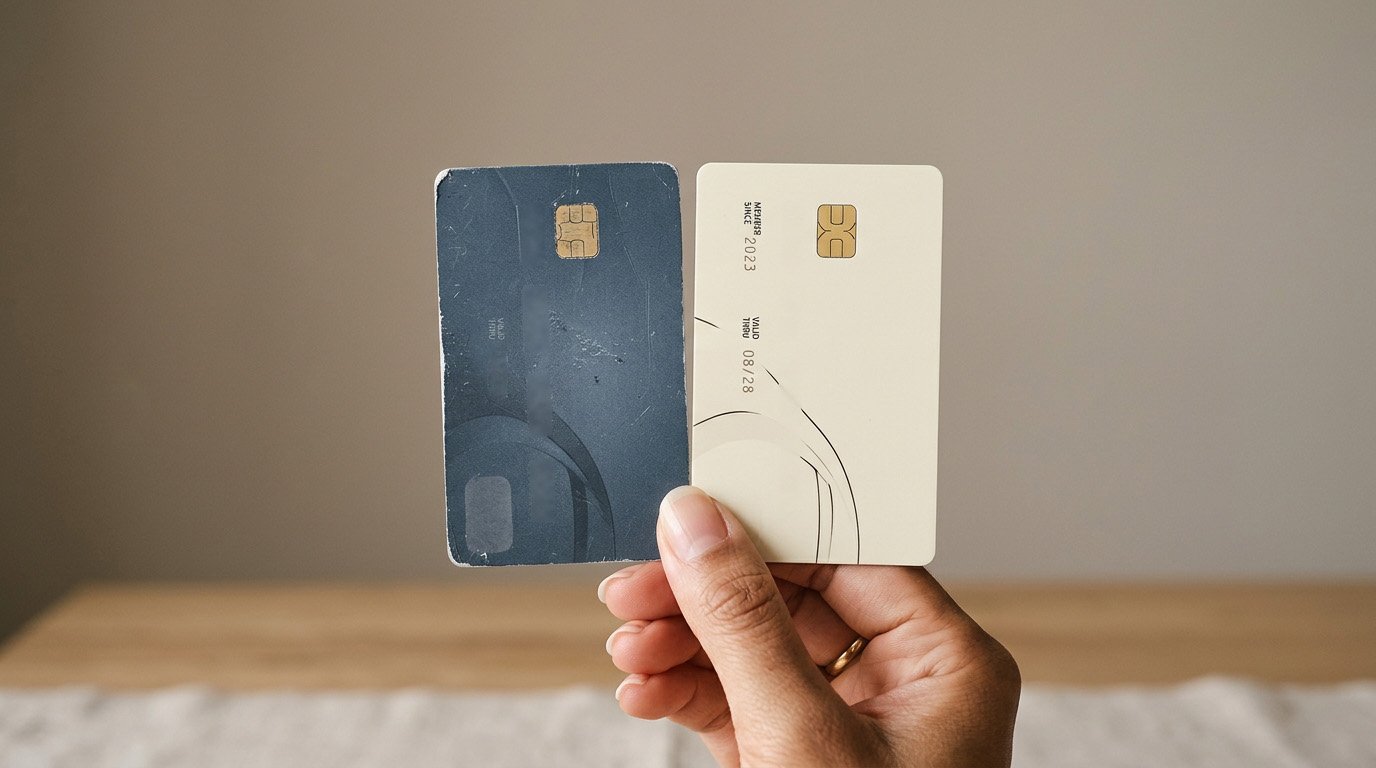
A balance transfer card lets you move debt from one or more existing cards onto a new card. That new card usually offers a promotional 0% interest rate. This lasts for a set period, often 12 to 21 months. During that window, your payments go straight toward the principal. No interest eats into them.
This sounds simple, and the core idea is simple. Move high-interest debt to a card that charges no interest for a while. Pay it down faster while the clock runs. But three details decide whether this actually saves you money. The transfer fee. The promotional period length. And whether you can realistically pay off the balance before that period ends.
The Transfer Fee Most People Forget
Almost every balance transfer card charges a fee upfront. It typically runs 3% to 5% of the amount you transfer. Move $5,000 in debt, and a 3% fee costs you $150 immediately. That fee gets added to your new balance right away. This happens before you’ve saved a single dollar in interest.
This fee isn’t a reason to avoid balance transfer cards. It’s a reason to do the math first. A $150 fee is still far cheaper than months of 22% interest on a $5,000 balance. But the fee needs to factor into your decision. Don’t let it get discovered after the transfer already happened.
Running the Actual Numbers

Say you’re carrying $5,000 at 22% interest. You’re making $250 monthly payments. Left alone, that debt takes about 24 months to pay off. You’ll pay roughly $1,150 in interest along the way. Now transfer it to a card with a 3% fee and 18 months at 0%. The fee costs $150 upfront. Pay $278 a month for 18 months, and the balance clears with zero interest charged during that window.
Total cost on the original card: about $6,150. Total cost with the transfer: $5,150, the balance plus the fee. That’s roughly $1,000 saved, just from moving the debt. This is the scenario where balance transfer cards genuinely work. The savings come from real interest avoided, not from any trick.
If you want to run your own numbers before applying, our Credit Card Payoff Calculator shows exactly how long a balance takes to clear at your current rate and payment. Compare that timeline against the promotional period on any card you’re considering. You’ll know quickly whether the math favors a transfer.
Where the Math Falls Apart
The savings disappear fast if you can’t pay off the balance before the promotional rate ends. Most balance transfer cards revert to a standard rate once the promo period expires. That rate often runs just as high as the card you started with, sometimes higher. Carry a leftover balance past that deadline, and interest resumes on the full remaining amount, not just what’s left after the promo window.
This is the single biggest reason balance transfer cards fail to save people money. They transfer the debt. They make a few payments. Life gets in the way, and the promo period quietly expires with a chunk of the balance still sitting there. From that point forward, they’re paying interest again. They also already paid the upfront transfer fee for nothing.
Before transferring anything, divide your balance by the number of months in the promo period. If that monthly payment doesn’t fit your budget, the card probably won’t get you where you want to go. Our Debt Payoff Calculator can help you compare a realistic payoff plan against the promo window. That way you’re working from an actual number instead of a hopeful guess.
New Spending Doesn’t Get the Same Deal
Most balance transfer cards apply the 0% rate only to the transferred balance. New purchases made on the same card don’t get the same deal. Those charges often start accruing interest right away, at the card’s regular purchase rate. Some issuers also apply your payments to the lowest-interest balance first. That means new purchases can sit there accumulating interest, while your payment chips away at the already-interest-free transferred debt instead.
The safest approach: don’t use a balance transfer card for everyday spending. Treat it as a dedicated tool for paying down the transferred balance. Keep a separate card, or cash, for regular purchases. Mixing the two defeats the purpose. It can leave you paying interest you thought you’d already avoided.
Qualifying for the Best Offers
Balance transfer cards with the longest 0% periods and lowest fees typically go to applicants with good to excellent credit. That usually means a score around 690 or higher. If your score sits below that range, you may still qualify for a card. But the terms often look worse, a shorter promo window, a higher fee, or both.
Applying for a new card also triggers a hard inquiry. That can cause a small, temporary dip in your score. The dip usually recovers within a few months, but it’s worth knowing before you apply, especially if you’re planning to apply for a mortgage or auto loan around the same time. If your utilization is high, working on it first can actually help you qualify for a better transfer offer. Our credit utilization guide explains what actually moves that number.
What to Check Before You Apply
A few numbers matter more than the headline “0% APR” on any offer. Check the exact length of the promotional period. Twelve months and 21 months lead to very different monthly payment requirements. Check the transfer fee percentage. Confirm whether it’s a flat fee or capped at a maximum dollar amount. Check the rate the card reverts to once the promo ends, in case you carry a small balance past the deadline by accident.
Also check whether the issuer allows transfers from cards they already issue you. Some banks won’t let you transfer a balance from one of their own cards to another one of their cards. That matters if most of your debt sits with a single bank.
A Simple Rule of Thumb
If you can pay off the transferred balance before the promotional period ends, a balance transfer almost always makes sense once you clear the transfer fee. If you can’t, the math gets shaky fast, and you risk paying the fee for little real benefit. Before applying, calculate the monthly payment needed to clear the balance in time. Then compare that number honestly against what you can actually afford each month, not what you hope to afford once things get better.
Common questions about balance transfer cards
It depends on the fee. A 3% fee on $1,000 costs $30, which is easy to beat with even a few months of avoided interest. On very small balances, though, the savings can end up marginal once you factor in the fee, so it’s worth running the numbers first.
Once the promotional period ends, the remaining balance starts accruing interest at the card’s standard rate, which is often comparable to or higher than a typical credit card rate. You won’t be penalized retroactively for the months already at 0%, but interest resumes on whatever balance remains.
Applying causes a small, temporary dip from the hard inquiry. Opening a new account can also lower your average account age slightly. Over time, though, paying down debt through a transfer typically helps your score, since it lowers your credit utilization.
A few more things worth knowing
Usually, yes. Most balance transfer cards accept transfers from store cards, other bank credit cards, and sometimes personal loans, as long as the issuer allows outside transfers. Check the specific card’s terms before applying.
Yes. You can only transfer up to your approved credit limit on the new card, minus the transfer fee in most cases. If your debt exceeds that limit, you may need to split it across more than one card.
Almost all of them do, typically 3% to 5% of the transferred amount. A small number of cards occasionally waive the fee as a limited-time promotion, so it’s worth comparing current offers rather than assuming every card charges the same rate.