Fed Rate Hike in September Now Looks All but Certain
A hotter-than-expected August inflation report has pushed the odds of a Fed rate hike at the September 16 meeting to nearly 90%. Here’s what actually happened, what it could cost (or earn) you, and how to run the numbers on your own situation.
Updated: September 11, 2026
What happened
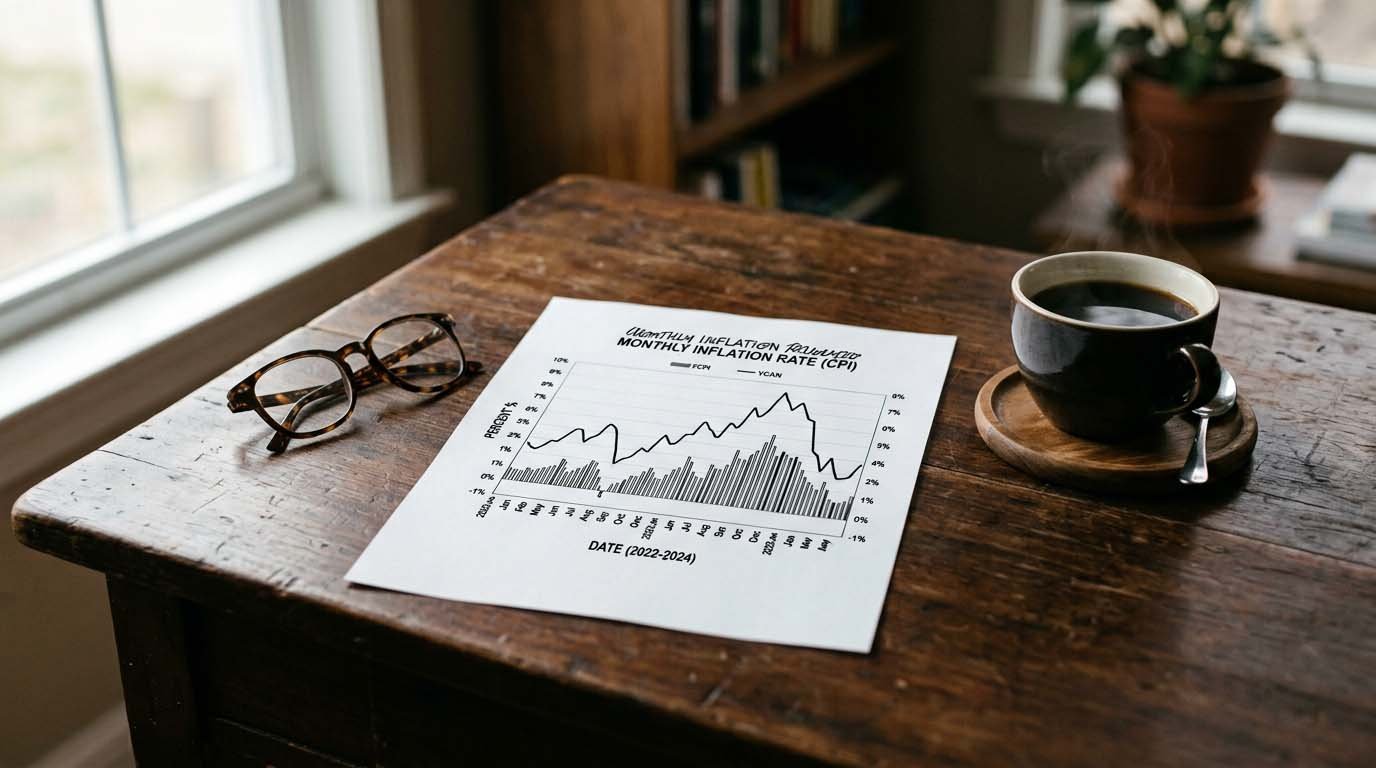
The Consumer Price Index rose at an annual rate of 3.4% in August, according to the U.S. Labor Department, coming in above the 3.3% economists were forecasting. A third of that monthly increase came from gasoline prices, which are up 27.4% year over year. Core inflation, which strips out volatile food and energy costs, also ran hotter than expected, rising 0.3% for the month and accelerating from July’s 0.2% pace.
After the report was released, the odds of a rate hike at the Fed’s September 16 meeting jumped to nearly 90%, according to CME FedWatch, up from 70% the day before. According to EY-Parthenon, as reported by CBS News, the firm shifted its base case from a “hold” to a 25-basis-point hike, which would push the federal funds rate to a target range of 3.75% to 4%.
Part of the added pressure is coming from the war in Iran, which has pushed oil and diesel prices higher in recent weeks. Inflation is now a full percentage point higher than it was before the conflict began. Some analysts, including Capital Economics, expect this won’t be the last increase either, projecting additional hikes in December and again in March 2027.
What it means for your wallet

A Fed rate hike makes borrowing more expensive across the board. Mortgages, credit cards, and auto loans all tend to get pricier. On a 30-year mortgage of $300,000, each 0.25 percentage point increase typically adds roughly $50 a month to the payment, assuming a standard fixed amortization schedule. That’s manageable on its own, but if the Fed follows through on two more hikes by March 2027, the cumulative effect could top $150 a month compared to today’s rate — more than $1,800 a year in extra interest.
On the flip side, anyone keeping an emergency fund or low-risk savings in a rate-linked account should see yields move up almost immediately. Loan rates, by contrast, sometimes take longer to fully pass a Fed hike through to borrowers, so savers often feel the benefit before borrowers feel the cost.
Run your own numbers
Want to see what a rate hike would actually do to your own mortgage? Try different rate scenarios with our Mortgage Calculator and compare the monthly payment difference side by side.
If you’re more interested in the upside — how much more you could earn by keeping cash in a higher-yield account — plug your numbers into our Savings Calculator.
To understand why Fed decisions ripple through your everyday finances in the first place, our guides on what the federal funds rate actually is and how the Federal Reserve controls interest rates cover the mechanics in more depth.
Common questions about the September Fed rate hike
Raising rates makes borrowing more expensive, which tends to slow down spending and investment. Less demand in the economy generally helps cool price increases over time, which is why the Fed leans toward hiking rates when inflation runs hotter than its 2% target.
The Federal Open Market Committee is scheduled to announce its rate decision at 2 p.m. ET on Wednesday, September 16, 2026, following its two-day policy meeting.
No. A fixed-rate mortgage you already have locked in stays the same regardless of what the Fed does. Rate hikes mainly affect new loans, adjustable-rate mortgages resetting to a new rate, credit card APRs, and other variable-rate debt.
Generally, yes. High-yield savings accounts and CDs tend to raise their rates in step with the Fed, often faster than loan rates adjust. It’s a good time to compare what your own savings account is currently paying against current market rates.