Renting vs Buying: A Real Cost Comparison
Renting vs buying gets treated like a moral question. It shouldn’t be. It’s a math question. The math depends heavily on how long you plan to stay put, not just on whether rent feels like “throwing money away.”
Renting vs Buying: Why the Comparison Gets Oversimplified
The common argument goes like this. Rent is money you never see again. A mortgage builds equity instead. That’s true as far as it goes. But it skips over several real costs that buying carries and renting doesn’t.
A homeowner pays property taxes, homeowners insurance, maintenance, and repairs. None of that builds equity either. A renter who invests the difference between rent and a mortgage payment can end up ahead of a homeowner. It depends on how the numbers actually play out over time.
The Real Cost of Owning, Beyond the Mortgage
A mortgage payment is only part of the cost of owning a home. Property taxes typically run 1% to 2% of the home’s value every year, depending on location. Homeowners insurance adds another cost on top. Maintenance and repairs add up too. This often gets estimated at 1% to 2% of the home’s value annually. Think a new roof, a broken water heater, or routine upkeep.
On a $350,000 home, that’s potentially $7,000 or more a year in taxes, insurance, and maintenance combined. That’s separate from the mortgage payment itself. Renters don’t pay any of this directly. A landlord builds these costs into the rent. But the renter never faces a surprise $8,000 roof repair bill all at once.
The Real Cost of Renting, Beyond the Monthly Payment
Renting isn’t free of hidden costs either. Rent tends to rise over time. It often outpaces wage growth in many markets. A homeowner with a fixed-rate mortgage locks in that payment for the life of the loan, aside from property tax and insurance increases. A renter has no such lock. Next year’s lease renewal could bring a meaningful increase, with little notice and less negotiating power than the math suggests on paper.
Renters also miss out on the tax benefits available to some homeowners, like deducting mortgage interest. This matters less than it used to, though, since the standard deduction increased substantially in recent years. For many filers, itemizing no longer beats the standard deduction at all.
The Break-Even Timeline Matters More Than Anything Else
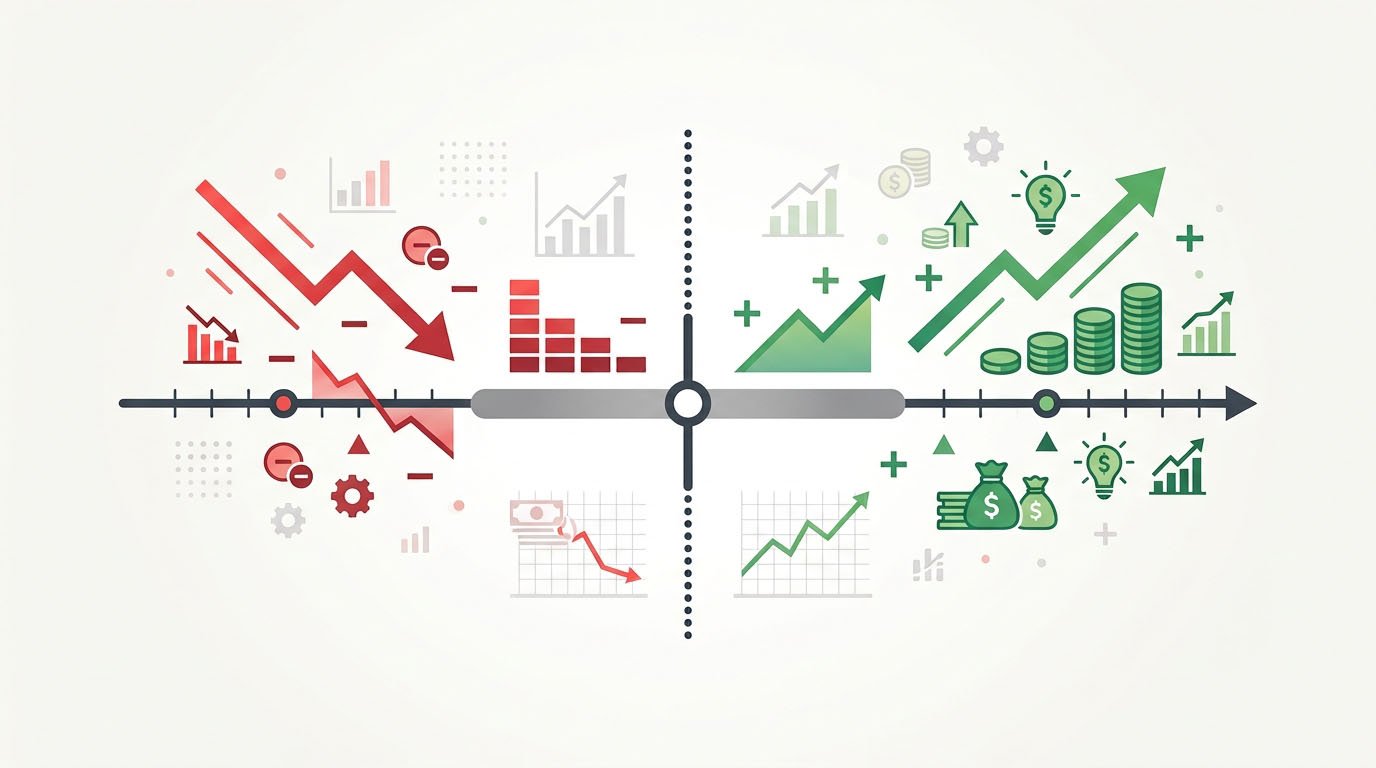
Buying carries large upfront costs. Closing costs alone typically run 2% to 5% of the purchase price. Selling later adds real estate agent commissions, often 5% to 6% of the sale price. These costs get spread out over however long you stay in the home. Stay one year, and they crush your finances. Stay ten years, and they barely register against the total picture.
This is why the rule of thumb “buy if you’ll stay five years or more” exists. It’s not an arbitrary number. It reflects roughly how long it typically takes for the upfront transaction costs of buying to get outweighed by the equity built and the stability gained. Move sooner than that, and renting often wins on pure math, even before factoring in flexibility.
A Concrete Example
Say a home costs $350,000 with a 20% down payment and a 30-year mortgage at a typical current rate. It comes with roughly $700 a month in taxes, insurance, and maintenance on top of the mortgage payment. Renting a comparable place costs $2,200 a month.
If the total monthly cost of owning runs close to what renting costs, the decision often comes down to the down payment. That $70,000 down payment could instead sit in an investment account. Over a decade at a reasonable market return, it could grow substantially. Whether owning or renting wins financially depends on how that opportunity cost compares against home price appreciation in your specific market. That varies enormously by location and timing.
What Home Price Appreciation Actually Assumes
A lot of renting vs buying arguments quietly assume home prices always rise steadily. Historically, U.S. home prices have appreciated over long time horizons, but not in a straight line, and not the same everywhere. Some markets have gone years without meaningful appreciation. Others have seen sharp declines, like the period around 2008.
Treating a home purely as a guaranteed investment oversimplifies a real risk. A home is also a place to live, which carries value beyond its resale price. But for the pure cost comparison, it’s worth being honest. Appreciation isn’t guaranteed, and past performance in one market doesn’t predict another.
Flexibility Has a Real, If Hard-to-Measure, Value
Renting makes it easy to move for a job, a relationship, or just a change of scenery. Selling a home takes months. It involves real transaction costs and depends on market timing you don’t control. If your career or life circumstances might require relocating within a few years, that flexibility carries genuine financial value, even if it’s hard to put an exact number on it.
This is part of why the “right” answer to renting vs buying depends so heavily on your specific situation. Someone settled into a stable job, a specific city, and a long time horizon faces a very different calculation than someone early in their career who might relocate for the next opportunity.
Running Your Own Renting vs Buying Numbers
If you’re comparing a specific home purchase against your current rent, our Mortgage Calculator can show you the actual monthly payment based on the home price, down payment, and interest rate you’re considering. Once you know that number, you can compare it directly against your rent, plus what you’d need to set aside for a down payment and closing costs.
If you’re weighing what that down payment could grow into if invested instead of spent on a home, our Investment Calculator can project that growth over your expected time horizon. Comparing both numbers side by side gives you a much more complete picture than the simple “rent is wasted money” framing usually provides. And if you’re leaning toward buying with less than 20% down, our article on private mortgage insurance covers another cost worth factoring into that decision.
Common questions about renting vs buying
Not always, but the odds shift in favor of buying the longer you plan to stay in one place. Upfront transaction costs make short-term ownership expensive, while a longer timeline gives equity and appreciation more room to offset those costs.
A common rule of thumb sets aside 1% to 2% of the home’s value annually for maintenance and repairs. Older homes and homes with aging major systems, like roofs or HVAC units, often need more than that.
Not necessarily. Renting pays for housing and flexibility, the same way a mortgage payment covers housing along with interest, taxes, insurance, and maintenance. Neither payment is purely “wasted,” since both cover the cost of having somewhere to live.
A few more things worth knowing
Twenty percent is a common benchmark, partly because it avoids private mortgage insurance on a conventional loan. Many buyers put down less, though that typically means a higher monthly payment and added insurance costs until enough equity builds up.
Closing costs, typically 2% to 5% of the purchase price, add a real upfront expense that renting doesn’t carry. These costs get spread out over your time in the home, so they matter far less if you stay put for many years than if you sell after just one or two.
It’s reasonable to consider, but treat it as an estimate, not a guarantee. Home price growth varies significantly by location and time period, and some markets have gone years without meaningful appreciation.