Secured vs Unsecured Debt: Key Differences
Not all debt carries the same risk. Secured vs unsecured debt comes down to one question: is there an asset backing the loan? That single distinction shapes your interest rate, how a lender collects, and what they can actually take from you if payments stop.

Secured vs Unsecured Debt: The Core Difference
Secured debt has collateral behind it, something physical the lender can legally seize if you stop paying. A mortgage uses the house as collateral. A car loan uses the car. Miss enough payments, and the lender has a direct claim on that specific asset.
Unsecured debt carries no collateral. Credit cards, personal loans, medical bills, and most student loans fall into this category. If you stop paying, the lender can’t physically repossess anything. Instead, they lean on other tools: credit reporting, collections agencies, and sometimes lawsuits, to try to recover what you owe.
That one distinction, whether an asset backs the debt or not, drives most of the practical differences you’ll actually feel: your interest rate, how much you can typically borrow, and what happens the moment you fall behind.
Why Secured Debt Usually Costs Less
Lenders price risk into every rate they offer. Collateral lowers that risk. If you default, the lender still has a fallback, so they can afford to charge you less. That’s why mortgage rates and auto loan rates sit well below credit card and personal loan rates. A mortgage might carry a rate in the mid-single digits. A credit card, backed by nothing but your promise to pay, often runs into the 20s.
This gap isn’t small, and it isn’t random. Collateral does exactly what it’s designed to do: it shifts risk away from the lender, and in exchange, it shifts cost away from you. If you’re weighing a car purchase and want to see what a secured auto loan would actually cost, our Car Loan Calculator shows the monthly payment and total interest based on your loan amount and rate. For a home purchase, our Mortgage Calculator runs the same math at a larger scale.
What Happens When You Fall Behind
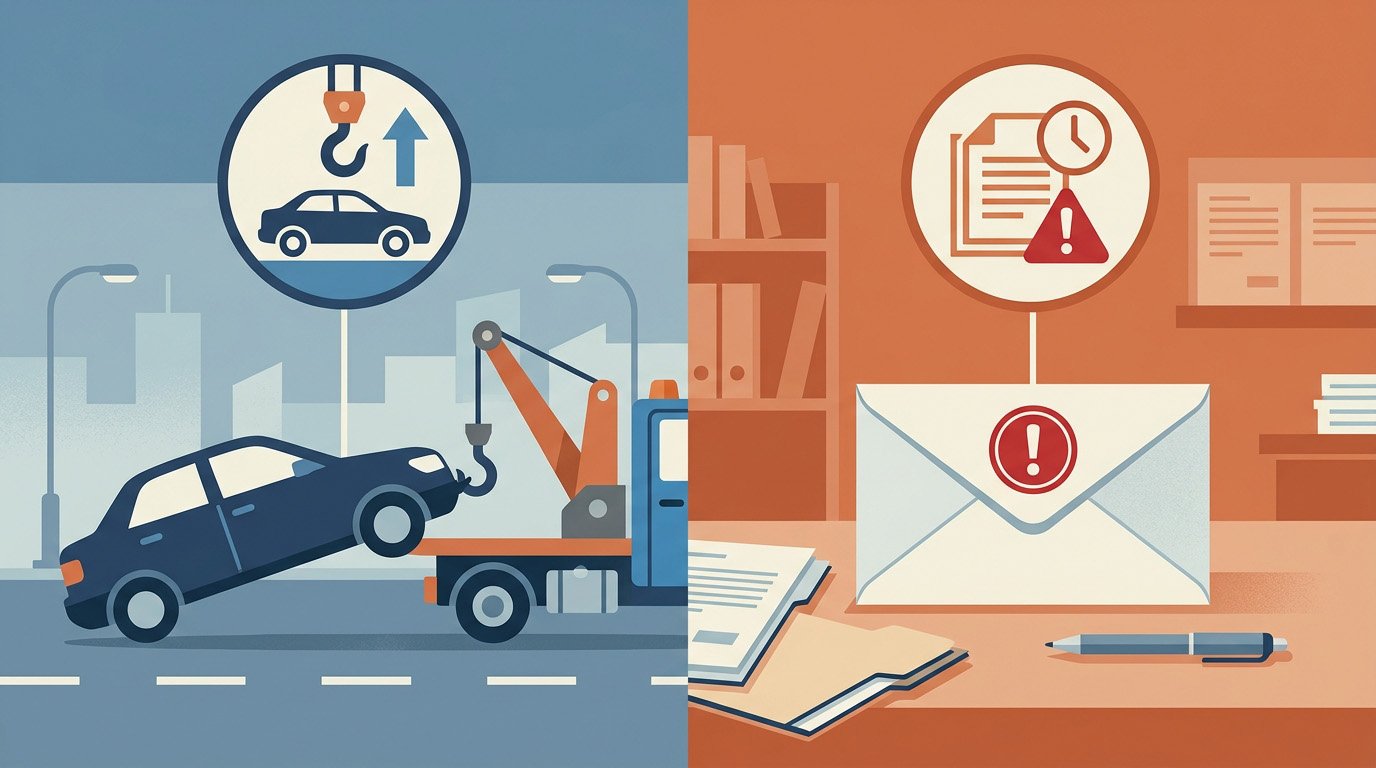
Secured debt follows a fairly mechanical process. Miss enough payments on a car loan, and the lender can repossess the vehicle, often without a court order, depending on your state. Miss enough mortgage payments, and the lender can foreclose, though that process usually takes longer and involves more legal steps. Either way, the lender wants the collateral back, or the money from selling it.
Unsecured debt has no asset to grab, so the process looks different. Your account typically goes delinquent, then charges off after several months of nonpayment. From there, the original creditor often sells the debt to a collections agency for a fraction of what you owe. You might get calls, letters, and in more serious cases, a lawsuit. If a creditor sues and wins, they can sometimes garnish your wages or place a lien on other property, but they need a court judgment first. That’s a longer, more legally involved road than simply towing away a car.
Neither path feels good, but they move at different speeds and target different things. Secured debt threatens a specific possession. Unsecured debt threatens your credit and, eventually, your income, through a process that can take months or years to play out.
Deficiency Balances: The Part People Miss
Here’s something that surprises a lot of people: losing the collateral doesn’t always erase the debt. If your car gets repossessed and sold at auction for less than you still owe, the lender can come after you for the difference. Lenders call this a deficiency balance, and it turns what started as secured debt into something that behaves a lot like unsecured debt, minus the collateral.
Say you owe $12,000 on a car loan. The lender repossesses the car and sells it at auction for $8,000. You could still owe that remaining $4,000, plus repossession costs in some cases. The car is gone, but the debt isn’t. This is one of the more painful surprises in secured lending: losing the asset feels final, but it doesn’t automatically close the account.
Why Unsecured Debt Costs More to Borrow
Without collateral, a lender’s real leverage comes down to your creditworthiness and, eventually, legal recourse if things go badly. That leverage runs weaker than holding a title to your car, so lenders compensate with higher rates and often stricter approval standards. This is also why unsecured lending relies so heavily on credit scores. With nothing physical backing the loan, your credit history becomes the main signal a lender has to judge whether you’ll pay it back.
If you’re carrying high-rate unsecured debt, like credit card balances, our Credit Card Payoff Calculator can show you a payoff timeline based on your real balances and rates. And if you’re comparing a lower-rate personal loan against continuing to carry card debt, our Personal Loan Calculator shows what that monthly payment would actually look like.
Secured vs Unsecured Debt: A Quick Comparison
- Secured debt: mortgages, auto loans, secured credit cards, home equity loans. An asset backs it. Rates typically run lower. Default risks losing that specific collateral.
- Unsecured debt: credit cards, most personal loans, medical bills, most student loans. No asset backs it. Rates typically run higher. Default risks credit damage, collections, and potential legal action.
A few debt types blur this line. A secured credit card, often used to build or rebuild credit, requires a cash deposit that functions as collateral, even though it behaves like a regular credit card otherwise. Federal student loans count as unsecured, but they come with unusually aggressive collection tools, like wage garnishment without a court judgment, that make them hit harder than typical unsecured debt in practice.
Bankruptcy Treats Secured and Unsecured Debt Differently

The secured-versus-unsecured line follows you even into bankruptcy. In a Chapter 7 filing, you generally need to address secured debts directly: keep making payments and keep the asset, or surrender it and the tied debt typically goes away with it. Courts often discharge unsecured debts entirely, wiping them out without requiring you to give anything up in return, though exceptions apply depending on the specific debt and jurisdiction.
This matters beyond interest rates. It shapes your real options if things go seriously wrong, not just what happens when you’re a few weeks late on a payment.
Which Type of Debt Should You Prioritize Paying Off?
All else equal, unsecured debt tends to carry the higher rate, which usually makes it the more expensive debt to leave sitting on your balance. But real budgets rarely fit that “all else equal” assumption cleanly. Missing a mortgage or car payment carries a more immediate, tangible consequence than missing a credit card payment does in the short term: you could lose your home or your transportation.
A reasonable approach: keep secured debt current no matter what, since you usually need the asset attached to it. Then send extra payments toward the highest-rate unsecured debt first, since that’s where the cost piles up fastest. If you’re juggling several debts across both categories and want to see which order actually saves the most money, our Debt Payoff Calculator compares snowball and avalanche strategies side by side, so you’re not guessing at the math.
Common questions about secured vs unsecured debt
A standard credit card counts as unsecured debt, since no asset backs it. The exception is a secured credit card, which requires a cash deposit that acts as collateral, usually aimed at people building or rebuilding credit.
Indirectly, yes. If a creditor sues over unpaid unsecured debt and wins a judgment, they can, in some states, place a lien on property you own or garnish your wages. This requires a court process first, unlike secured debt, where the lender can typically repossess collateral without suing you.
Not inherently. Credit scoring models generally weigh payment history and utilization more heavily than whether a debt is secured or unsecured. Paying down high-utilization credit card debt, which is unsecured, often moves your score more visibly in the short term than paying down a mortgage.
A few more things worth knowing
A deficiency balance is the amount left over after a lender repossesses and sells collateral, like a car, for less than what you still owe on the loan. You can still owe that remaining amount, even though the asset itself is gone.
Most student loans, federal and private, count as unsecured debt, since no collateral backs them. Federal student loans, however, carry unusually strong collection powers, including wage garnishment without a prior court judgment, which sets them apart from typical unsecured debt.
Keep secured debt current first, since falling behind risks losing an asset you likely depend on, like your home or car. After that, prioritize the highest-rate unsecured debt, since that’s usually where interest builds fastest.