What Is Escrow in a Home Purchase
What is escrow, really? It’s not one single thing. The word gets used for two completely different accounts during a home purchase. Mixing them up is where most of the confusion starts.

What Is Escrow, in the Simplest Terms
Escrow describes a neutral third party holding something of value until specific conditions get met. In a home purchase, that “something” is usually money. Neither the buyer nor the seller controls the funds directly during the transaction. A neutral party holds everything until the deal actually closes.
This matters because a home purchase involves a lot of trust between two strangers. The buyer doesn’t want to hand over money before the deed transfers. The seller doesn’t want to sign away the deed before getting paid. Escrow solves that standoff by putting a neutral party in the middle.
How This Works During the Purchase Itself
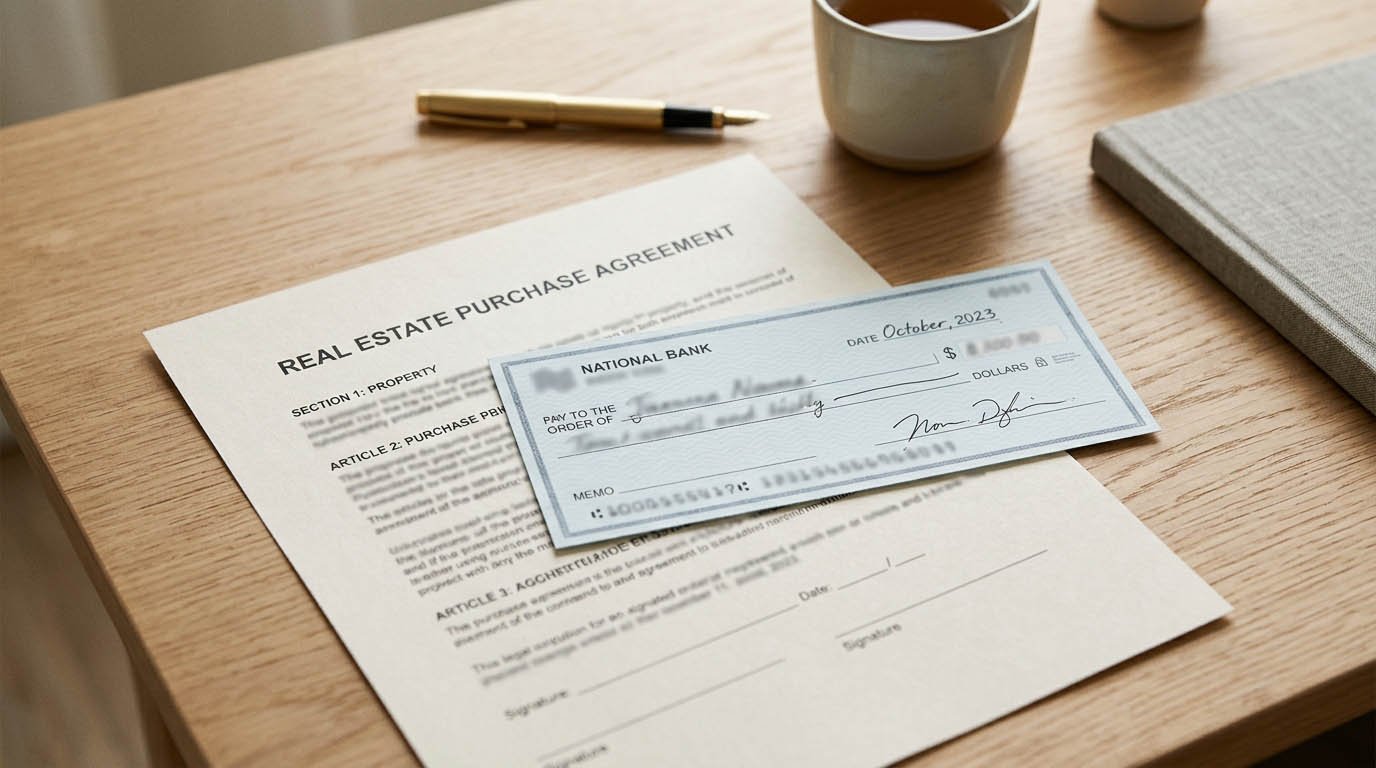
When you make an offer on a home, you typically include an earnest money deposit. This shows the seller you’re serious. That deposit goes into an escrow account, held by a title company, attorney, or escrow agent. It never goes directly to the seller.
The money sits there while inspections happen, financing gets finalized, and the closing date approaches. Say the deal falls through for a reason covered by the contract, like a failed inspection. The earnest money typically gets returned to the buyer. If the buyer backs out without a valid contractual reason, the seller may keep it instead. At closing, the escrowed funds get applied toward the purchase.
How This Account Works After You Own the Home
Once you own the home and have a mortgage, a second, completely different kind of account often comes into play. Many lenders require this ongoing arrangement to collect a portion of your property taxes and homeowners insurance every month. This gets added alongside your regular mortgage payment.
Instead of paying a large annual tax bill or insurance premium in one lump sum, the cost gets divided by twelve. It gets added to your monthly mortgage payment. The lender holds that money, then pays the tax authority and insurance company directly when those bills come due.
Why Lenders Require This Ongoing Account
Lenders require this mainly to protect their own interest in the property. Unpaid property taxes can result in a lien that takes priority over the mortgage. Unpaid homeowners insurance leaves the home, and the lender’s collateral, unprotected if disaster strikes. Requiring it removes the risk that a borrower forgets, or chooses not, to pay these bills on time.
This requirement is common, but not universal. Borrowers who put down a large enough down payment, often 20% or more, can sometimes waive it. They pay taxes and insurance directly themselves instead. This depends on the loan type and lender, and it sometimes comes with a small fee for waiving it.
Understanding an Annual Analysis and Why Payments Change
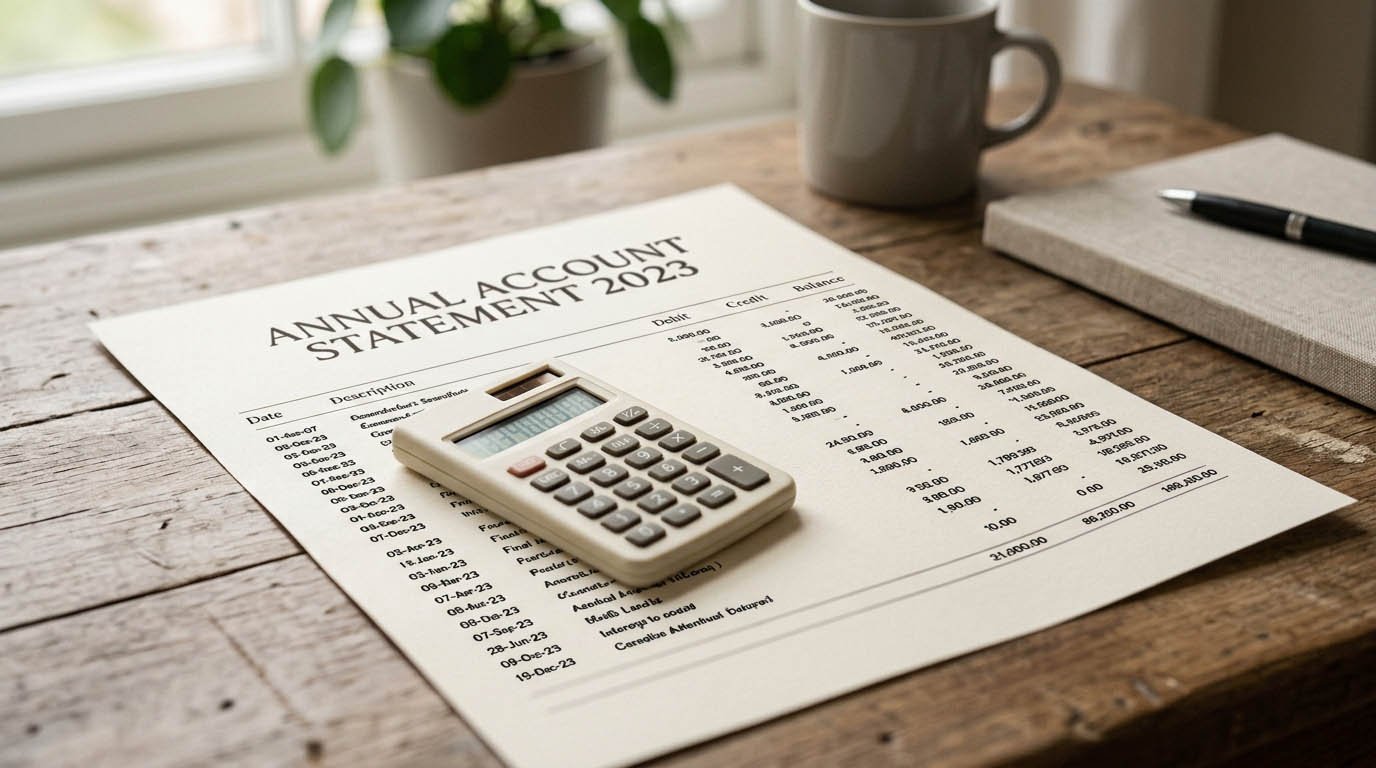
Lenders review these accounts annually to make sure enough money is being collected. Property taxes and insurance premiums often rise year to year. If the account collected too little, you’ll typically see a payment increase to cover the shortage, sometimes with a separate bill for the shortfall itself.
If the account collected too much, you might get a refund. Your monthly payment could decrease slightly going forward instead. This annual adjustment is one of the most common reasons a mortgage payment changes even on a fixed-rate loan. The principal and interest portion stays the same, but this other portion moves with tax and insurance costs.
What Happens to This Account if You Refinance or Sell
Refinancing typically closes your existing account and opens a new one with the new lender. Any remaining balance in the old account generally gets refunded to you directly, separate from the new loan. This refund can take several weeks to arrive after the old loan is fully paid off.
Selling the home works similarly. The closing process settles any remaining escrow balance. It usually gets credited back to you as part of the final settlement statement, alongside the other closing costs and proceeds from the sale.
Running Your Own Numbers on What This Adds to Your Payment
If you’re estimating a monthly mortgage payment and want to include an ongoing escrow amount for taxes and insurance, our Mortgage Calculator can factor those costs in alongside principal and interest. Our article on private mortgage insurance covers another cost that sometimes gets bundled into the same monthly payment. Our piece on ARM vs fixed-rate mortgages explains how the principal and interest portion of that payment can change over time depending on your loan type.
Common questions about what is escrow
No. A down payment reduces the loan amount and goes toward the home’s purchase price. Escrow accounts hold money temporarily, either during the purchase process or ongoing for taxes and insurance, and serve a completely different purpose.
It depends on the contract terms. Most purchase agreements include contingencies, like financing or inspection clauses, that allow the buyer to back out and receive the earnest money back. Backing out for a reason not covered by the contract can mean forfeiting the deposit to the seller.
Not always, but it’s common, especially for loans with smaller down payments. Some lenders allow borrowers to waive it under certain conditions, often requiring a larger down payment and sometimes a small fee.
A few more things worth knowing
This usually happens because of an escrow analysis. Even on a fixed-rate loan, the escrow portion covering taxes and insurance can rise if those costs increased, changing your total monthly payment even though the principal and interest amount didn’t change.
Any remaining balance in the escrow account typically gets refunded to you once the loan is paid off, whether through a sale, refinance, or simply finishing the loan term.
This is usually a title company, real estate attorney, or dedicated escrow agent, depending on the state and local practice. They act as the neutral third party holding funds until the transaction closes.