What Is a Loan Origination Fee?
You apply for a loan, get approved, and notice the amount deposited into your account is a little smaller than you expected. That gap is usually the origination fee. It’s one of the most overlooked costs in borrowing, and it can quietly shift which of two loan offers actually costs less.

The cost of processing your loan
An origination fee is a charge lenders apply for processing a new loan. It covers underwriting. It also covers verifying your income and credit, and preparing the paperwork behind the loan. Most lenders express it as a percentage of the loan amount, commonly 1% to 8%. Some charge a flat dollar amount instead.
This fee shows up across many loan types. Personal loans, mortgages, and some auto loans all commonly include one. The fee exists because processing a loan takes real work on the lender’s side, from pulling your credit report to verifying your income documents to funding the loan once it’s approved. Someone has to pay for that work. Lenders typically pass at least part of the cost on to the borrower.
Our How Do Personal Loans Work? guide touches on origination fees briefly. This article goes deeper into how the fee actually works and what it means for your total cost.
How the fee gets charged
Most lenders deduct the origination fee directly from your loan proceeds before the funds reach you. Borrow $10,000 with a 5% origination fee, and you’ll actually receive $9,500. Here’s the part that catches people off guard: you still owe interest on the full $10,000, not the $9,500 you received. The fee reduces what lands in your account. It doesn’t reduce what you’re obligated to repay.
Some lenders handle it differently, rolling the fee into the loan balance instead of deducting it upfront. In that case, you receive the full loan amount. But your total balance, and the interest that accrues on it, ends up slightly higher than the amount you originally requested. Either way, the fee adds real cost. The only difference is where that cost shows up.
What determines the fee amount
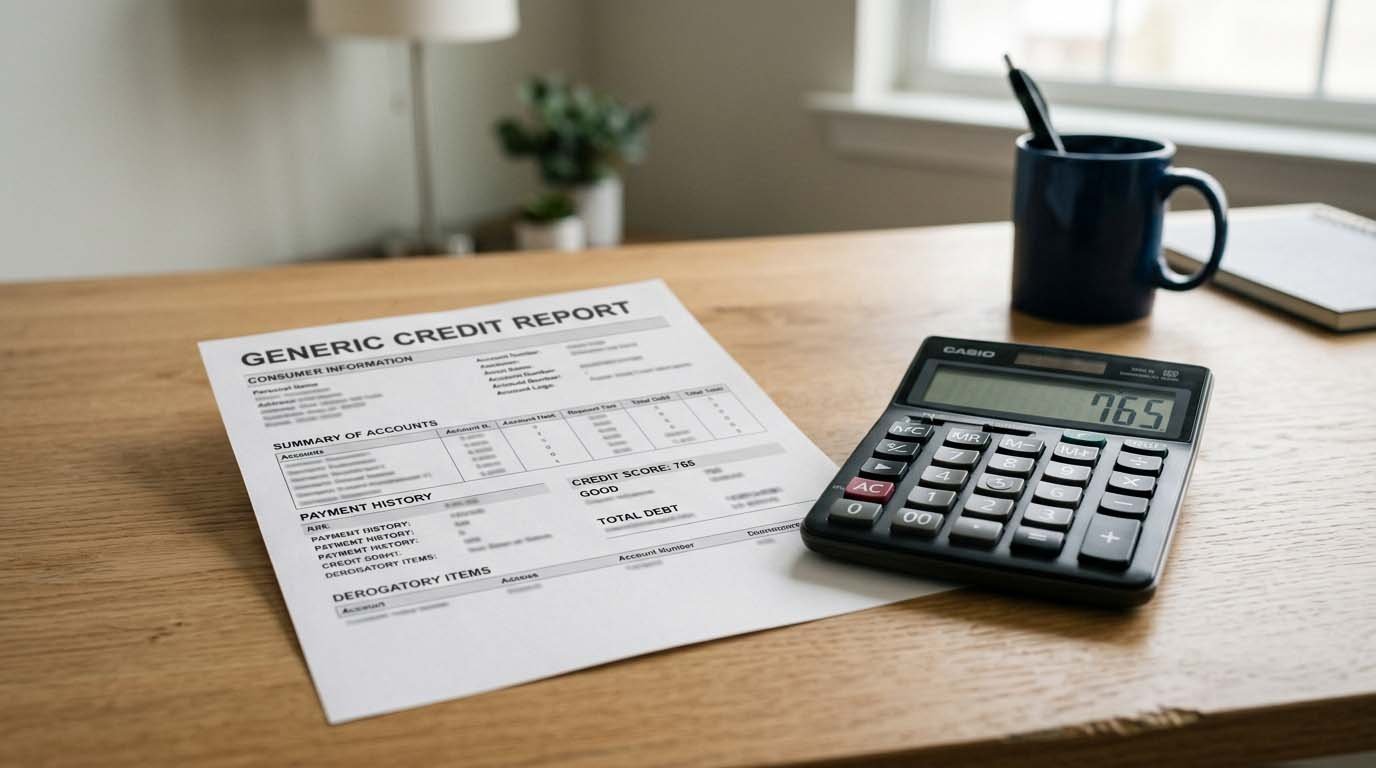
Your credit score plays a major role. Borrowers with strong credit often qualify for lower origination fees, or sometimes no fee at all. Weaker credit tends to bring a higher fee, since it reflects added risk from the lender’s perspective. Loan type matters too. Personal loans and mortgages calculate origination fees differently. Even within personal loans, fees vary widely between lenders, so it’s worth checking more than one before assuming a particular fee is standard for your credit profile.
The lender’s business model also factors in. Some lenders charge a lower interest rate but a higher origination fee. They’re betting that most borrowers focus on the rate and overlook the fee. Others do the reverse, advertising no origination fee but pricing a higher interest rate to compensate. Neither structure is inherently better. What matters is comparing the total cost of both, not evaluating the fee or the rate in isolation. Loan amount can also play a role. Some lenders apply a smaller percentage fee to larger loans, spreading their processing costs across a bigger balance. The type of lender matters too. Online lenders, traditional banks, and credit unions each tend to structure their fees a little differently, based on their own cost of doing business and how they compete for borrowers.
How the fee affects your APR
This is where the origination fee actually matters most for comparison purposes. APR, or annual percentage rate, factors in both the interest rate and any origination fee. It spreads the fee’s cost across the loan’s term. Two loans with identical interest rates can carry meaningfully different APRs if their origination fees differ. Our APR vs Interest Rate article explains this distinction in more depth.
Because of this, comparing loans by interest rate alone can be misleading. A loan advertising a lower rate but a larger origination fee can end up costing more overall than a loan with a slightly higher rate and no fee. Always check the APR, not just the rate, before assuming one offer beats another. Our How to Compare Two Loans guide walks through a full worked example of this exact scenario.
Origination fees on different loan types
Personal loan origination fees typically range from 1% to 8%. The exact figure depends heavily on your credit profile. Some online lenders and credit unions offer no-fee personal loans, particularly for borrowers with excellent credit.
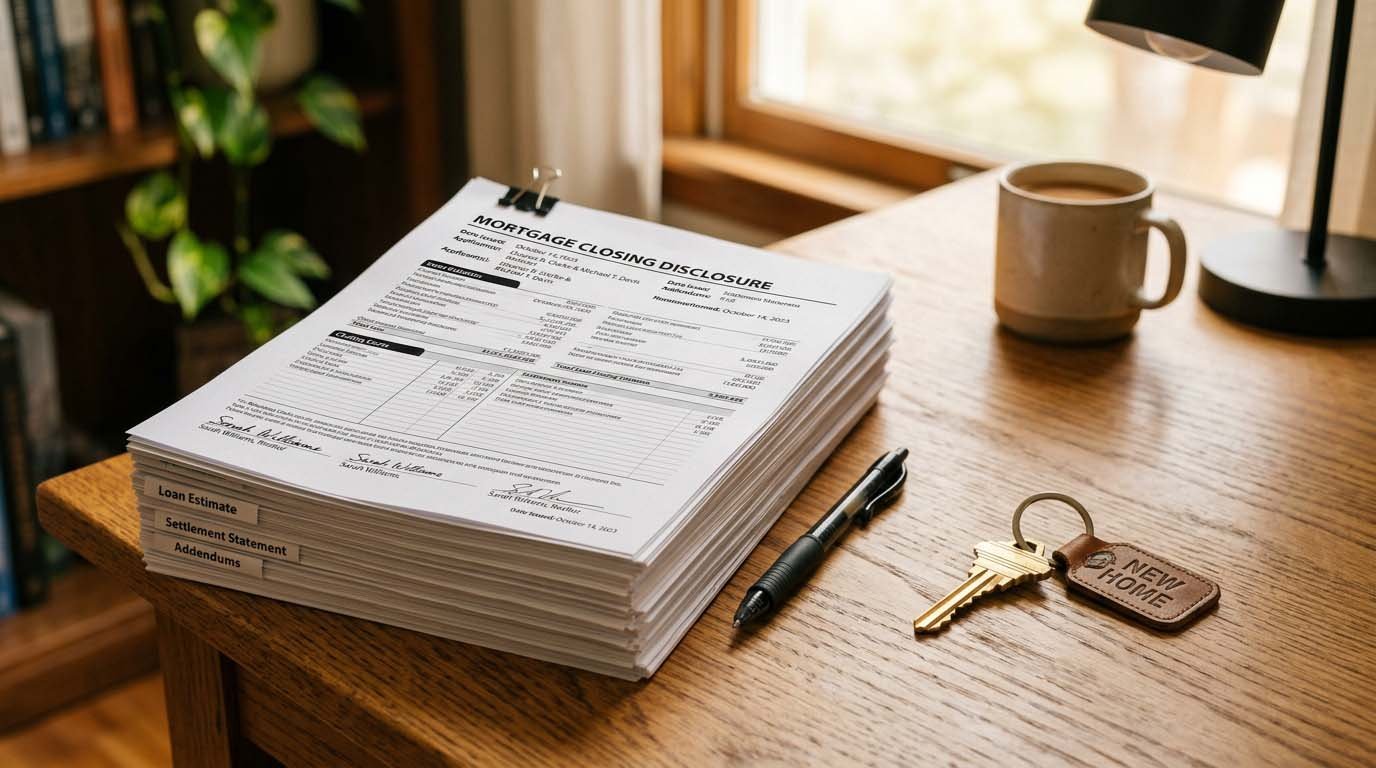
Mortgage origination fees work a bit differently. They’re usually smaller as a percentage, often around 0.5% to 1%. But the dollar amount can still be substantial given how much larger mortgage balances are. A 1% fee on a $300,000 mortgage comes to $3,000, far more than the same percentage on a smaller personal loan. Mortgage origination fees are also just one line item within a broader set of closing costs. These can include appraisal fees, title insurance, and other charges beyond the origination fee itself.
Auto loans sometimes carry origination fees too, though they’re less universal than with personal loans and mortgages. When present, they’re typically smaller, since the loan itself is often smaller and secured by the vehicle, which reduces the lender’s risk. Student loans are a separate case entirely. Federal student loans charge a standardized origination fee set by law, while private student loans vary by lender much like personal loans do.
Can you negotiate or avoid the fee?
Sometimes, yes. Lenders occasionally have room to waive or reduce an origination fee. This is more likely for borrowers with strong credit, or an existing relationship with the institution. It rarely hurts to ask directly, especially if you have a competing offer with a lower fee to reference during the conversation. Credit unions and community banks sometimes have more flexibility here than large national lenders, since local relationships can carry more weight in their approval process.
Shopping around remains the more reliable strategy. Origination fees vary significantly between lenders for otherwise similar loans. Comparing several offers side by side, using APR rather than the fee or rate alone, is the surest way to find the genuinely cheapest option available to you. Getting pre-qualified with a soft credit check at multiple lenders lets you see real fee and rate estimates without committing to anything, or triggering a hard inquiry that could affect your score. Set aside an afternoon to gather two or three quotes before signing anything. The time investment is small compared to what a few percentage points of difference can add up to over the life of a loan.
A worked example

Say you’re borrowing $8,000 over three years. One lender offers 9% interest with no origination fee. A second lender offers 8.25% interest with a 4% origination fee, which comes to $320. The first lender’s APR matches its interest rate exactly, at 9%, since there’s no fee to fold in. The second lender’s stated rate looks lower. But once that $320 fee gets spread across the loan’s term, the effective APR climbs to roughly 9.7%, higher than the first offer.
This is a common pattern. A lower headline rate paired with a meaningful fee can still lose to a higher rate with no fee at all. Running both offers through our Loan Calculator or Personal Loan Calculator removes the guesswork. It shows the true cost of each offer, side by side, using the numbers from your actual loan amount rather than a generic estimate.
What to check before signing
Confirm whether the fee gets deducted from your proceeds or added to your balance, since that affects how much cash you actually receive. Check the APR, not just the interest rate, on every offer you’re considering. Ask directly whether the fee is negotiable, particularly if your credit is strong, or you have a competing offer in hand. And read the full fee disclosure closely. Some lenders bundle additional charges alongside the origination fee that aren’t always obvious at first glance. Keep a copy of every offer’s fee breakdown. That makes it easier to compare them side by side once you’ve gathered a few options.
Check the real cost for your loan
An origination fee isn’t automatically a red flag, and a fee-free loan isn’t automatically the cheaper option. What matters is the total cost once every fee gets accounted for. Our APR Calculator lets you calculate the effective APR on any offer that lists a rate and fee separately. That way you can compare loans on equal footing, rather than guessing based on the headline numbers alone.
A small percentage on paper can translate into a meaningful dollar amount once it’s applied to a real loan balance. Taking a few minutes to check the math before signing is a small effort that can save real money over the life of the loan. It’s the kind of detail that’s easy to skip when you’re eager to get funded, but it’s exactly the detail worth slowing down for.
Common questions about loan origination fees
Usually not. The fee is generally charged once, at the start of the loan, to cover the lender’s processing costs. Paying off the loan ahead of schedule doesn’t typically entitle you to any portion of that fee back.
No. Some lenders, particularly for borrowers with strong credit, offer loans with no origination fee at all. It’s worth checking multiple lenders, since the presence and size of the fee varies significantly.
Not necessarily. A higher fee sometimes comes paired with a lower interest rate, which can still result in a competitive or even lower overall APR. The fee alone doesn’t tell you whether a loan is a good deal.
A few more things worth knowing
No, they’re separate costs. The origination fee is typically a one-time charge, while interest accrues over the life of the loan. APR combines both into a single figure so you can compare the total annual cost.
Many lenders deduct the fee from your loan proceeds automatically, which effectively spreads its cost across your payments since you’re paying interest on the full loan amount despite receiving less. Ask your lender directly how their specific process works.
Not exactly. An origination fee is one specific charge. For mortgages, closing costs bundle the origination fee together with other charges, such as appraisal fees and title insurance, into one larger total.