What Is PMI (Private Mortgage Insurance) and How to Avoid It
Private mortgage insurance adds a real monthly cost to a lot of mortgages. It doesn’t protect you at all. It protects the lender. Here’s what it actually covers, what it costs, and the ways to avoid or remove it.
Private Mortgage Insurance: Who It Actually Protects
Private mortgage insurance, usually shortened to PMI, protects the lender if you stop paying your mortgage. It doesn’t protect you as the borrower. If you default, and the home sells for less than what’s owed, PMI covers part of the lender’s loss. You still lose the home either way.
Lenders require PMI on most conventional loans when the down payment is less than 20% of the home’s price. A smaller down payment means less equity cushion. That means more risk for the lender if the loan goes bad. PMI exists to offset that added risk.
How Much Private Mortgage Insurance Actually Costs
PMI typically costs 0.5% to 1.5% of the loan amount per year. This gets split into monthly payments added to your mortgage bill. On a $300,000 loan, that works out to roughly $125 to $375 a month. The exact rate depends on your credit score, your down payment size, and the loan type.
A lower credit score usually means a higher PMI rate, since the insurer views the loan as riskier. A slightly larger down payment can still lower the rate somewhat, even if it doesn’t reach the full 20%.
The Different Ways PMI Gets Charged
Most borrowers pay PMI monthly, folded into the regular mortgage payment. Some lenders offer a single upfront premium instead, paid in full at closing. A hybrid option combines a smaller upfront payment with a reduced monthly premium.
Monthly PMI is the most common and the most flexible. It can be canceled once you hit enough equity. Upfront PMI locks in the cost immediately. Sell or refinance the home shortly after, and you generally can’t get that upfront payment back. That makes it a riskier bet if your plans might change.
How to Avoid Private Mortgage Insurance Entirely
The most direct way to avoid PMI is putting down 20% or more on a conventional loan. That threshold isn’t arbitrary. It reflects the equity level lenders consider safe enough that PMI becomes unnecessary from their perspective.
A second option splits your financing into two loans, sometimes called an 80-10-10 loan. You put down 10%, take a first mortgage for 80% of the price, and take a second, smaller loan for the remaining 10%. This avoids PMI on the first mortgage entirely. The second loan usually carries a higher interest rate, though. Whether this saves money depends on comparing that higher rate against what PMI would have cost.
Some lenders also offer “lender-paid” PMI. The lender covers the PMI cost in exchange for a slightly higher interest rate on the whole loan. This can lower your monthly payment somewhat. But the higher rate lasts for the entire loan term, unlike standard PMI, which eventually goes away.
How to Remove PMI Once You Have It
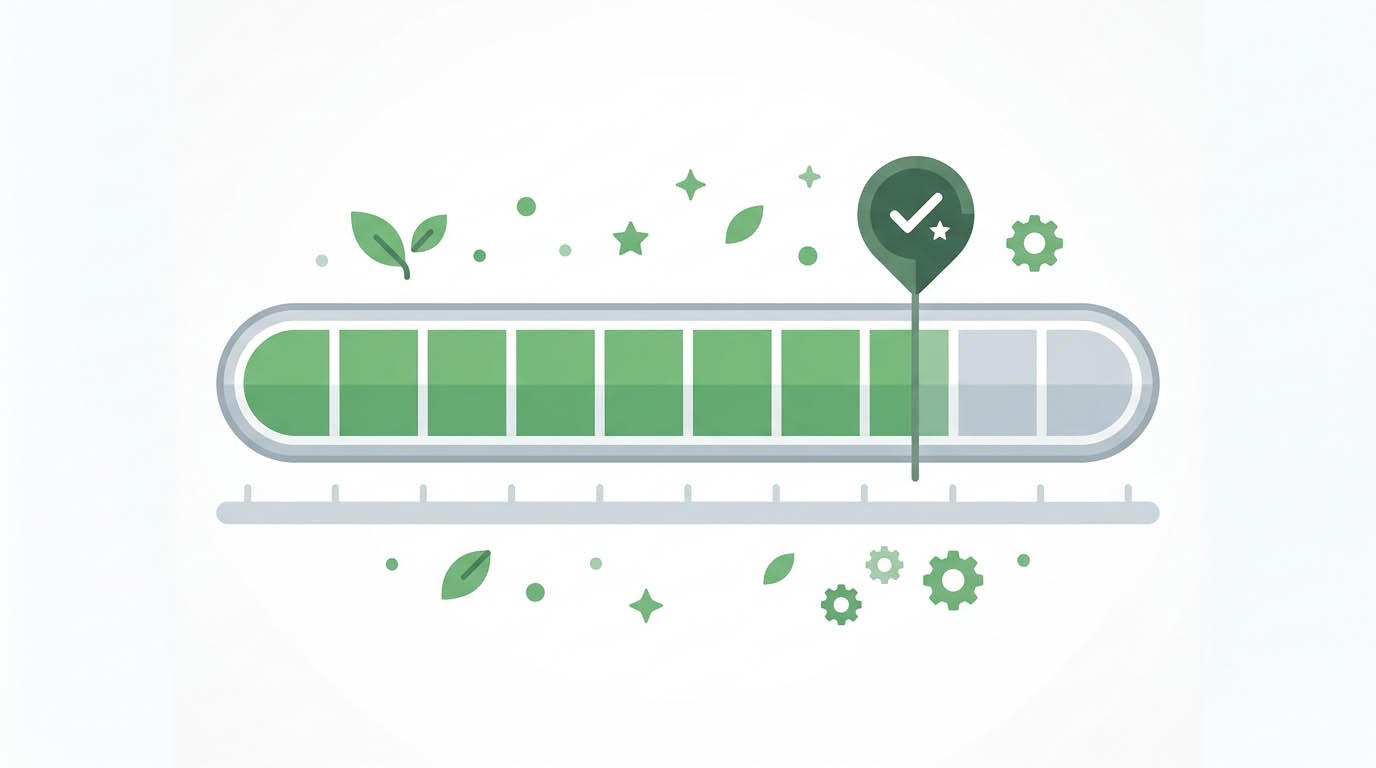
Federal law gives you the right to request PMI cancellation once your loan balance drops to 80% of the home’s original value. This can happen through regular payments, extra principal payments, or a rise in the home’s value that you can document through an appraisal.
Lenders must also automatically cancel PMI once your balance hits 78% of the original value. This applies as long as you’re current on payments, without you needing to request anything. Requesting cancellation at 80% instead of waiting for automatic removal at 78% can save you a couple of months of payments, which adds up over the life of a loan.
Does Home Value Appreciation Help Remove PMI Faster?
Yes, and this surprises a lot of homeowners. If your home’s value rises significantly, your equity percentage rises too, even without extra principal payments. Some lenders allow a new appraisal to demonstrate this, letting you request PMI removal sooner than your original amortization schedule would suggest.
This isn’t automatic, though. You typically need to request it, pay for the appraisal yourself, and meet a minimum ownership period the lender sets, often two years. It’s worth checking with your loan servicer if home values in your area have risen substantially since you bought.
PMI vs. Mortgage Insurance on Government-Backed Loans
PMI applies specifically to conventional loans. FHA loans use a different system called a mortgage insurance premium, or MIP. It works differently. FHA loans with less than 10% down often keep MIP for the life of the loan, with no automatic removal at a specific equity threshold. Removing it usually requires refinancing into a conventional loan once you have enough equity.
VA loans, backed by the Department of Veterans Affairs, don’t require ongoing mortgage insurance at all, regardless of down payment size. They typically involve a one-time funding fee instead. Knowing which loan type you’re using matters, since the PMI removal rules described above apply only to conventional loans.
Weighing PMI Against a Bigger Down Payment
Saving for a full 20% down payment takes time, and home prices don’t wait. Some buyers choose to buy sooner with PMI rather than rent longer while saving. Whether that trade-off makes sense depends on local rent trends, expected home price growth, and how quickly you can pay down the loan to remove PMI.
Our article on renting vs buying covers the broader cost comparison between these two paths in more detail. If you want to see how a specific loan amount, down payment, and rate translate into an actual monthly payment, our Mortgage Calculator can run those numbers directly.
Common questions about private mortgage insurance
No. Homeowners insurance protects your home and belongings against damage, and it protects you financially. Private mortgage insurance protects the lender if you default. They’re separate policies with completely different purposes.
Not directly, since PMI rates are typically set by the mortgage insurer based on your credit score and loan details. You can influence the rate indirectly by improving your credit score or increasing your down payment before applying.
On a conventional loan, PMI typically lasts until your loan balance reaches 78% to 80% of the home’s original value, which usually takes several years depending on your down payment and payment schedule.
A few more things worth knowing
Refinancing creates a new loan, so PMI gets reevaluated based on your current equity at that time. If you have enough equity when you refinance, you may be able to eliminate PMI as part of the new loan.
This has changed over the years depending on tax law, so it’s worth checking current IRS guidance or consulting a tax professional for your specific situation, since deductibility isn’t guaranteed every tax year.
Yes, if the down payment is below 20% on a conventional loan, PMI requirements generally apply the same way, though rates can run higher for investment properties due to the added lender risk.