Fixed-Rate vs Adjustable-Rate Mortgages (ARM)
An ARM vs fixed-rate mortgage decision looks simple at first. One rate stays the same. One rate can change. The real trade-off involves timing, risk tolerance, and how long you actually plan to keep the loan.
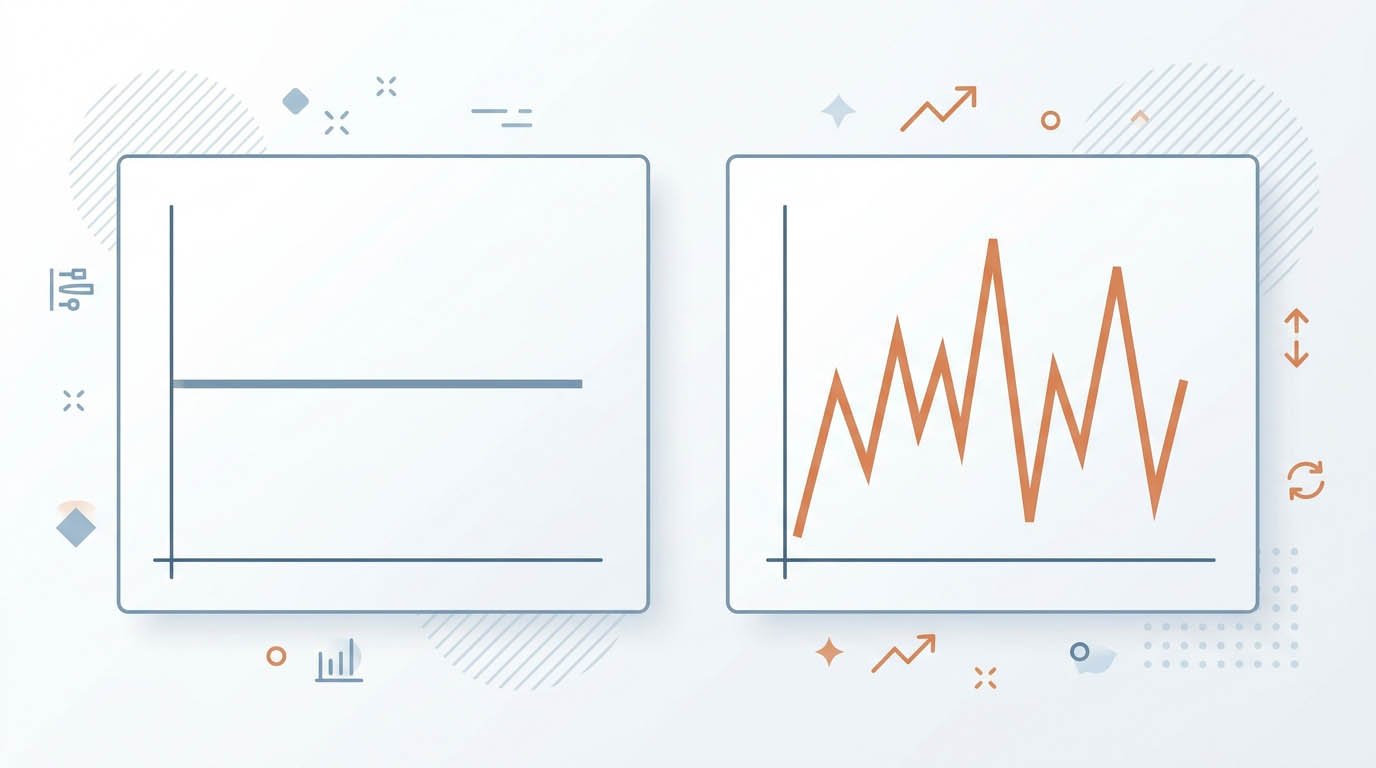
ARM vs Fixed-Rate Mortgage: The Basic Difference
A fixed-rate mortgage locks in one interest rate for the entire loan term. Get a 30-year fixed rate at 6.5%, and that rate never changes. It doesn’t matter what happens in the broader economy. Your principal and interest payment stays identical every month for three decades.
An adjustable-rate mortgage works differently. It starts with a fixed rate for a set introductory period. Then it adjusts periodically after that, based on a market index. A common structure is a 5/1 ARM. The rate stays fixed for five years, then adjusts once a year after that.
Why ARMs Usually Start Cheaper

Lenders offer ARMs at a lower introductory rate. This compensates you for taking on the risk that your rate might rise later. That gap between ARM and fixed rates varies over time. It’s often somewhere around half a percentage point to a full point, depending on market conditions.
On a $350,000 loan, even a 0.5% lower rate saves roughly $100 a month during the introductory period. Over five years, that’s around $6,000 in savings, assuming the rate never adjusts during that window. This is the appeal of an ARM. Lower payments now, in exchange for uncertainty later.
What Actually Happens When an ARM Adjusts
Once the introductory period ends, the rate resets. It’s based on a market index, plus a fixed margin the lender adds on top. Most ARMs also include caps limiting how much the rate can move at each adjustment, and over the life of the loan.
A typical cap structure might allow the rate to rise 2% at the first adjustment, 2% at each adjustment after that, and no more than 5% total over the life of the loan. These caps matter. They set the realistic worst-case scenario you’re actually exposed to, rather than an unlimited increase.
A Concrete Example of an ARM Adjustment
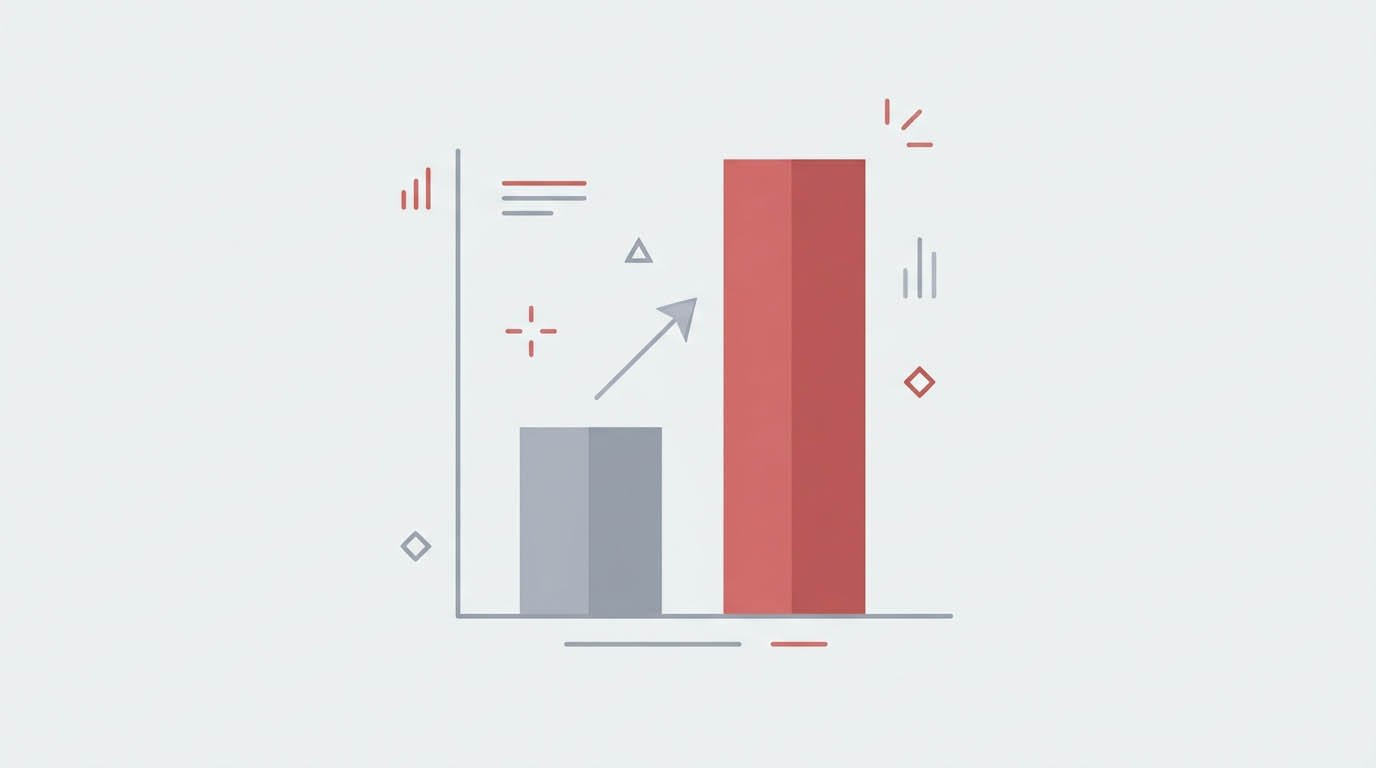
Say you take a $350,000 5/1 ARM starting at 5.5%. For the first five years, your monthly principal and interest payment stays around $1,987. At year six, the rate adjusts based on the current index plus the loan’s margin.
If rates have risen and your new rate resets to 7.5%, your payment jumps to roughly $2,384 a month. That’s an increase of nearly $400 a month, a real budget shock if you weren’t prepared for it. If rates have fallen instead, your payment could actually decrease. That’s the upside ARMs offer that a fixed-rate loan never can.
Who an ARM Actually Makes Sense For
ARMs tend to work best for borrowers who don’t plan to stay in the home, or keep the loan, past the introductory fixed period. Sell the home or refinance before the adjustment kicks in, and you captured the lower rate the entire time you held the loan. You never faced the risk of an increase at all.
This describes people who expect to move for a job within a few years, buyers planning to upsize soon, or anyone who expects a major financial change before the fixed period ends. For these borrowers, the lower introductory rate is close to free money. The adjustment risk mostly falls on someone who holds the loan longer.
Who Should Stick With a Fixed-Rate Mortgage

If you plan to stay in a home long-term, a fixed-rate mortgage removes an entire category of financial risk from your life. Your payment won’t rise even if market rates spike years down the road. That certainty carries real value for budgeting, especially for buyers on a tight or fixed income.
Fixed-rate loans also make sense if you’re risk-averse in general. The same goes if predicting your future financial situation with confidence is difficult. A stable payment removes one major variable from an otherwise unpredictable set of expenses.
Refinancing Risk Is the Part People Underestimate
Many ARM borrowers plan to refinance into a fixed-rate loan before their introductory period ends, once they’ve built more equity or improved their credit. This plan works fine most of the time. But it depends on being able to refinance when the time comes.
If your credit score drops, your home’s value falls, or overall mortgage rates rise sharply, refinancing might not be available on favorable terms, or at all. Borrowers counting on refinancing to avoid an ARM adjustment took on real risk during past housing downturns. Falling home values made refinancing difficult right when people needed it most.
Comparing the ARM vs Fixed-Rate Mortgage Numbers for Your Own Situation
Our broader article on fixed vs. variable interest rates covers this same trade-off across other loan types, like personal loans and credit cards. For the mortgage-specific numbers, our Mortgage Calculator can show you the monthly payment at both a fixed rate and a hypothetical adjusted ARM rate. You can compare the real dollar difference side by side.
If you’re also weighing whether to buy at all right now, our article on renting vs buying covers that broader decision. Our piece on private mortgage insurance explains another cost that factors into the total monthly payment on either loan type.
Common questions about ARM vs fixed-rate mortgage
Yes. An ARM’s rate moves with a market index, so it can decrease as well as increase at each adjustment period. This is the upside of an ARM that a fixed-rate mortgage doesn’t offer.
The first number is how many years the rate stays fixed. The second number is how often it adjusts after that, in years. A 5/1 ARM has a fixed rate for five years, then adjusts once a year afterward.
Qualification standards are generally similar, though some lenders evaluate ARM borrowers against a higher potential future rate to make sure they could still afford the payment after an adjustment. This helps protect against payment shock down the road.
A few more things worth knowing
Nearly all ARMs sold today include rate caps limiting how much the rate can change at each adjustment and over the life of the loan. Always confirm the specific cap structure before signing, since it varies between lenders and loan products.
Yes, this is a common strategy, though it depends on qualifying for a new loan at the time you want to refinance. Credit score changes, home value changes, and market rate conditions can all affect whether refinancing remains a realistic option.
They carry a different kind of risk, payment uncertainty after the introductory period, rather than a higher risk in every scenario. For borrowers who sell or refinance before the adjustment period, an ARM can end up cheaper with no added risk realized.