How Inflation Affects Investment Returns
Inflation doesn’t treat every investment the same way. It quietly drains a savings account, chips away at a bond’s fixed coupon, and barely touches some other assets at all. Understanding which investments actually absorb the hit, and which ones tend to shrug it off, changes how you should think about building a portfolio.

Inflation isn’t one force, it’s several
People talk about inflation as if it applies a single, uniform discount to everything you own. It doesn’t. Inflation moves through an economy in stages. Prices for goods and services rise first. Wages sometimes catch up, sometimes they don’t. Policymakers adjust interest rates in response. Asset prices react to all of that shifting. Each type of investment sits in a different spot in that chain. That’s why a year of 4% inflation can barely dent one part of your portfolio while quietly gutting another.
The Federal Reserve targets 2% inflation over the long run. It measures that target using the price index for personal consumption expenditures, and considers it consistent with a stable, well-functioning economy. Inflation running above or below that target for extended periods tends to distort the calculations investors rely on. That’s really what this comes down to: inflation doesn’t just make things cost more, it changes what a given return is actually worth.
Cash is inflation’s easiest target
Start with the simplest case. Cash sitting in a checking account, or a low-yield savings account, earns little to nothing. Say that account pays 0.5% interest and inflation runs at 3%. The account loses roughly 2.5% of its purchasing power over the year. The balance itself never goes down. Nothing dramatic happens. No crash, no headline. The money is just worth less every time you check the balance, one percent at a time.
This is the quiet version of inflation risk. It’s often the one people notice least, because the dollar figure on the statement keeps climbing or staying flat. A high-yield savings account narrows the gap by paying a rate closer to inflation, sometimes above it. But even the best savings rates rarely beat inflation by much, especially once taxes on that interest come out too.
Bonds carry a built-in vulnerability
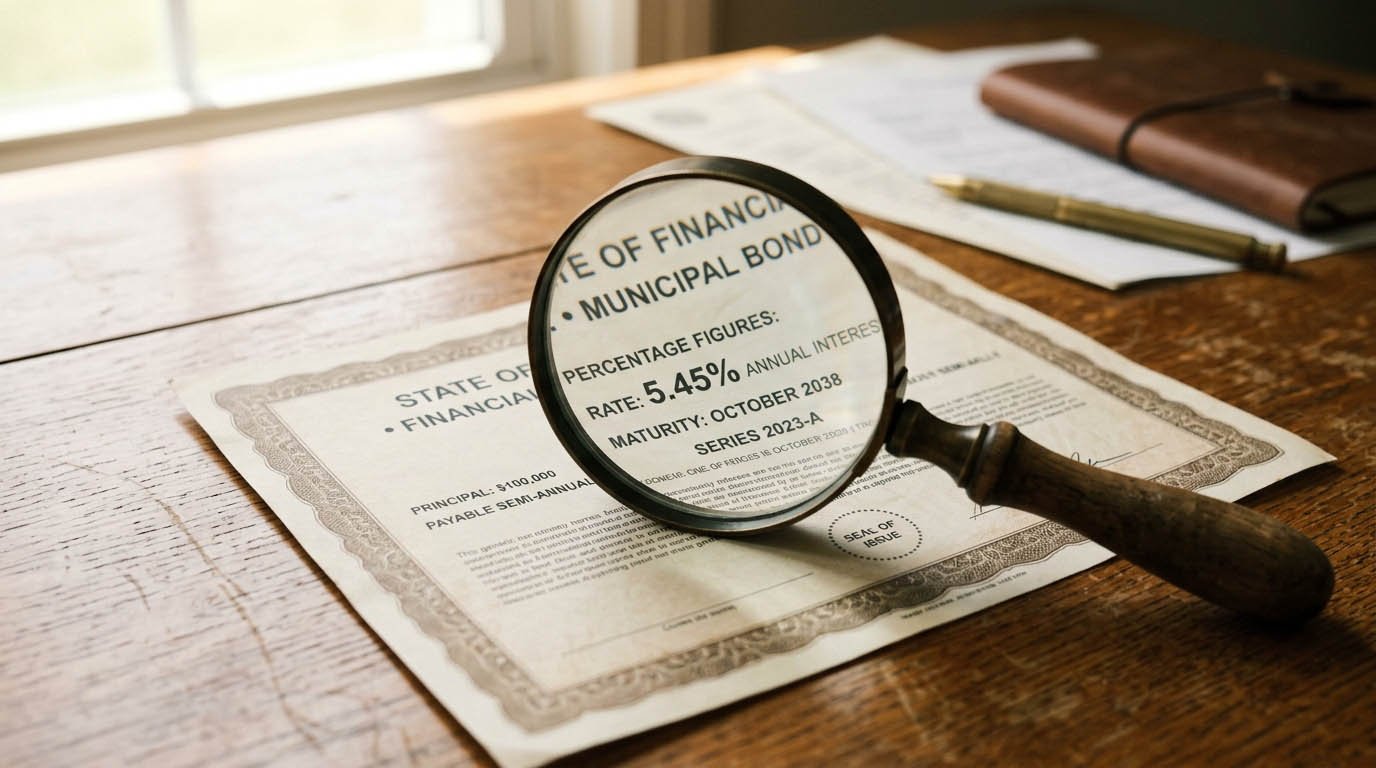
A traditional bond locks in its coupon rate the day it’s issued. That fixed payment doesn’t move, no matter what happens to prices afterward. That makes bonds unusually exposed to inflation that runs hotter than expected. A 30-year bond paying 4% looks perfectly reasonable in a low-inflation environment. Within a few years, if inflation jumps to 6%, that same bond looks like a bad deal. The bondholder is locked into a rate the market has since passed by.
There’s a second, less obvious effect too. When inflation rises, central banks typically respond by raising interest rates. Bond prices move in the opposite direction of interest rates. So a bondholder can get hit twice. Once through the eroding real value of the fixed coupon, and again through a falling market price if they need to sell before maturity. This is exactly why Treasury Inflation-Protected Securities, or TIPS, exist. Their principal adjusts with the Consumer Price Index. That means the interest payments and final payout rise along with inflation, instead of standing still while everything around them gets more expensive.
Stocks: a hedge in theory, inconsistent in practice
Stocks represent ownership in real businesses. In theory, businesses can raise their own prices as their costs rise, passing inflation through to customers rather than absorbing it. Over long stretches, this has generally held up reasonably well. Company revenues and profits, expressed in nominal dollars, tend to grow alongside a growing, inflating economy.
Short and medium stretches are messier. Sudden or unexpected inflation tends to hurt stock valuations in the near term. That’s mainly because it usually forces interest rates higher, and higher rates make future company profits worth less in today’s dollars. Companies with most of their expected profits far out in the future, many growth and technology stocks among them, tend to feel this more. Companies generating steady profits right now tend to feel it less. It’s not that stocks fail to keep up with inflation eventually. It’s that the adjustment period can be rocky, and it can last longer than investors expect going in.
Not every corner of the stock market reacts the same way, either. Businesses selling essentials, energy, food, and household staples among them, often have more room to pass rising costs on to customers. Demand for those products doesn’t disappear when prices climb. Companies selling discretionary goods, or ones locked into long contracts at fixed prices, tend to have a harder time keeping pace. This is one reason a broad, diversified stock allocation tends to weather inflation better than a concentrated one. A portfolio crowded into a single sector, or a handful of high-growth names, has less room to adjust.
Real estate and hard assets often hold up better
Real estate has a reputation as an inflation hedge, and there’s real logic behind it. Property values and rents both tend to rise with the general price level over time. A fixed-rate mortgage works in the owner’s favor during inflation, in almost the opposite way a fixed bond coupon works against a bondholder. The debt payment stays flat in nominal terms, while the property’s value and the tenant’s rent check both climb.
Commodities, things like oil, agricultural goods, and precious metals, often move with or ahead of inflation too. That’s partly because they’re frequently part of the very basket of goods driving the price increases in the first place. None of these assets are risk-free the way that phrase might suggest. Real estate carries its own cycles, financing costs, and maintenance expenses. Commodity prices can swing hard for reasons that have nothing to do with inflation at all.
The mechanism behind all of this: discount rates
Underneath every one of these examples sits the same basic mechanism. The value of almost any investment comes down to the cash it’s expected to pay you in the future. That future cash gets discounted back to what it’s worth today. Higher inflation typically pushes interest rates higher. A higher rate used in that discounting math shrinks the present value of those future payments. This holds true whether the future payment is a bond’s coupon, a company’s projected earnings a decade out, or rental income from a property.
That single mechanism explains why inflation hits different assets by different amounts. Assets with cash flows arriving soon feel a smaller hit from a higher discount rate. Think a bond maturing next year, or a company already generating strong current profits. Assets with cash flows arriving far in the future feel it more. There’s simply more time for that higher rate to compound its shrinking effect.
A worked example: two portfolios, one inflation shock
Say two people each start the year with $10,000. One keeps it in a checking account paying 0.5%. The other splits it evenly across a broad stock index fund, a TIPS fund, and a short-term CD. Inflation comes in higher than expected that year, at 6% instead of the 2% everyone had planned around.
The checking account grows to $10,050, a real loss of roughly 5.5% in purchasing power once you factor in inflation. The diversified account doesn’t escape the shock entirely. The stock portion likely dips in the short term, as interest rates rise in response to that inflation. But the TIPS portion adjusts its principal upward with the CPI. The CD locks in whatever short-term rate was available when it was purchased, and that rate usually moves up faster than a checking account’s rate in a rising-rate environment. None of this guarantees the diversified portfolio ends the year ahead in real terms. Inflation shocks are genuinely hard on most assets in the short run. But the diversified portfolio is built to absorb the hit across several places, instead of taking it entirely in one.
What actually helps
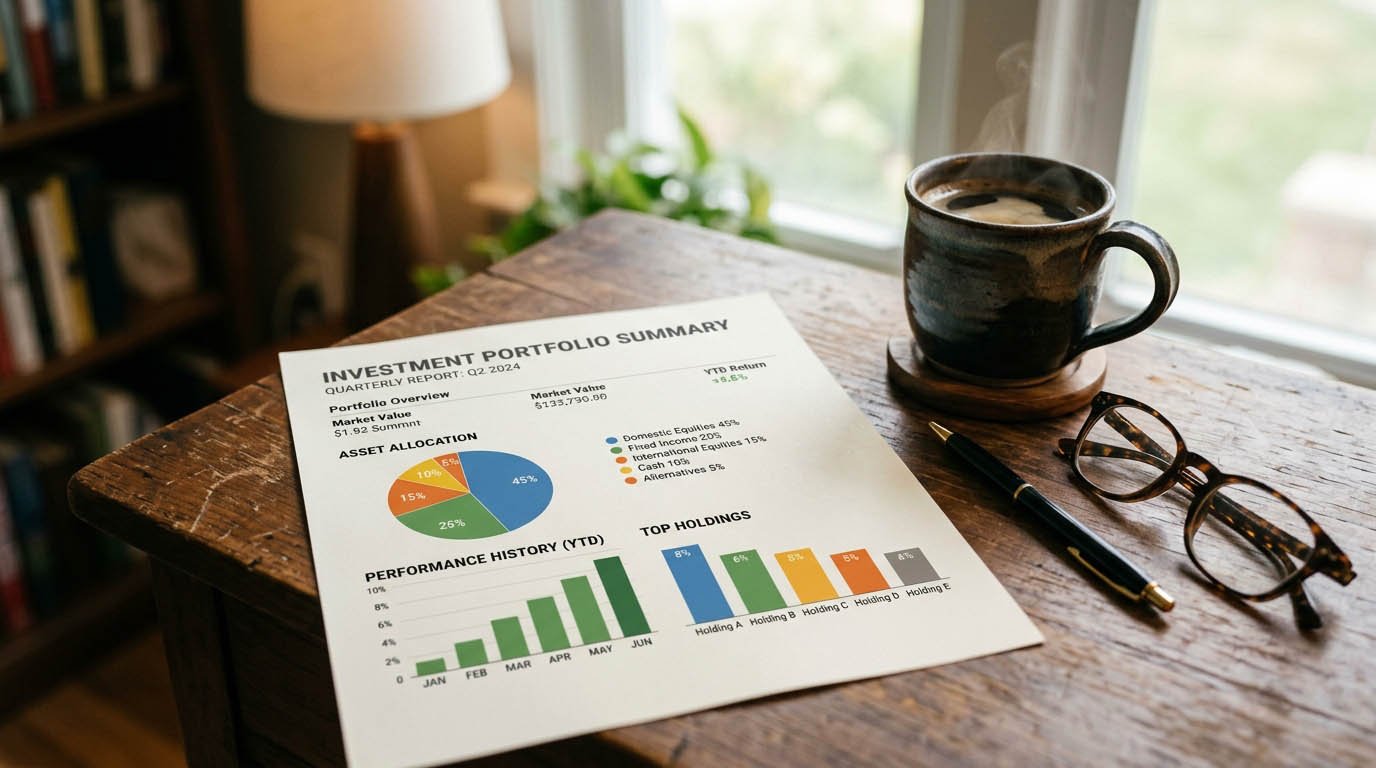
No single asset perfectly cancels out inflation in every scenario. The usual approach is spreading exposure across several of the assets discussed above, rather than betting everything on one inflation hedge. TIPS and I bonds directly index to inflation. Stocks and real estate tend to keep pace over long horizons even though they wobble in the short run. Keeping some cash for near-term needs still makes sense. That’s not really a return question, it’s a liquidity one. The point isn’t eliminating inflation’s effect, which isn’t really possible. It’s making sure that effect doesn’t land entirely on one part of your plan.
One practical signal worth knowing about is the market’s own inflation expectation, sometimes called the breakeven inflation rate. You get it by comparing the yield on a regular Treasury bond to the yield on a TIPS of the same maturity. The gap between the two roughly reflects what investors expect inflation to average over that period. When that expectation shifts noticeably, it’s usually a sign the broader market is already repricing bonds and rate-sensitive stocks around a new inflation outlook. That repricing often happens well before any single CPI report makes headlines.
Turn the signal into a habit, not a reaction
Rebalancing on a regular schedule tends to do more of the practical work than picking the perfect hedge. That beats trying to time an inflation spike. A portfolio that drifts too heavily into cash during a scare, or too heavily into commodities after they’ve already run up, usually ends up buying protection too late, after the market has already priced in most of the benefit.
Comparing your actual returns against inflation, rather than looking at account balances alone, is the habit that matters most here. Our Nominal Return vs Real Return guide walks through the formula for that comparison in detail. It’s worth running on every account you hold, not just the ones that feel risky.
Check your own numbers
Our Inflation Calculator shows what a given amount of money from the past is worth today. It also shows what today’s dollars are likely to be worth years from now at a given inflation rate. If you’re modeling how a portfolio might grow, after accounting for both an assumed return and inflation, our Investment Calculator and Compound Interest Calculator both let you build that projection. Running the numbers both with and without an inflation adjustment makes the gap concrete instead of abstract.
Common questions about inflation and investment returns
Not universally. Predictable, moderate inflation, the kind the Federal Reserve targets, is generally a sign of a healthy economy. Most long-term investments tend to absorb it over time. The bigger risk comes from unexpected inflation. That’s inflation running well above what investors and lenders had priced in when they made their original decisions.
Cash and fixed-rate bonds tend to take the most direct, predictable hit. Their payments don’t adjust for rising prices. Long-duration bonds and growth stocks with profits concentrated far in the future are also more sensitive. That’s mainly because of how rising interest rates affect the present value of those distant cash flows.
Historically, broad stock market returns have generally outpaced inflation over long holding periods. That’s not guaranteed for any specific stretch of years, though. Periods of high, persistent inflation have coincided with weak stock market returns in the past. That’s particularly true when inflation forces interest rates sharply higher.
A few more things worth knowing
The U.S. Treasury issues both, and both adjust for inflation, but they work differently. TIPS adjust their principal value and trade on the open market, so their price can still move. I bonds pay a combined fixed and inflation-adjusted rate directly, and they aren’t traded. Purchases are also limited to $10,000 per person per year, which makes them a smaller-scale tool than TIPS for most investors.
It tends to, over long periods, since rents and property values generally track the broader price level. Not every stretch works out that way, though. Rising interest rates that come with high inflation also raise financing costs for buyers. That can pressure home prices, even while other prices are climbing.
A single inflation reading usually isn’t a reason to overhaul a long-term portfolio. Sudden, reactive changes based on one data point tend to do more harm than the inflation itself. A portfolio built with some diversification across stocks, bonds, and inflation-linked assets from the start is generally better positioned to absorb inflation surprises. That beats a portfolio someone reshuffles every time a new number comes out.