How Do Credit Cards Work? A Plain-English Breakdown
A credit card feels simple until the statement shows up. Then the number looks bigger than you expected. Understanding how credit cards really work comes down to four moving pieces: the billing cycle, the grace period, how interest gets calculated, and how your balance feeds into your credit score. Get those four straight, and the rest is just details.

A credit card is a loan you take out every time you swipe
Swipe, tap, or type in the numbers online, and the card issuer pays the merchant for you. Usually that issuer is a bank. You now owe that bank the money. That’s the entire mechanism underneath every credit card: a revolving line of credit that fronts your purchases. You pay it back, either in full or over time.
“Revolving” is the key word here. A car loan or a mortgage works differently. You borrow a fixed amount once and pay it down to zero. A credit card line refills instead. Pay down $500 and you get $500 of available credit back, up to your limit. That flexibility makes cards useful for everyday spending. It also makes them easy to lean on more than you planned to.
The billing cycle: where the confusion usually starts
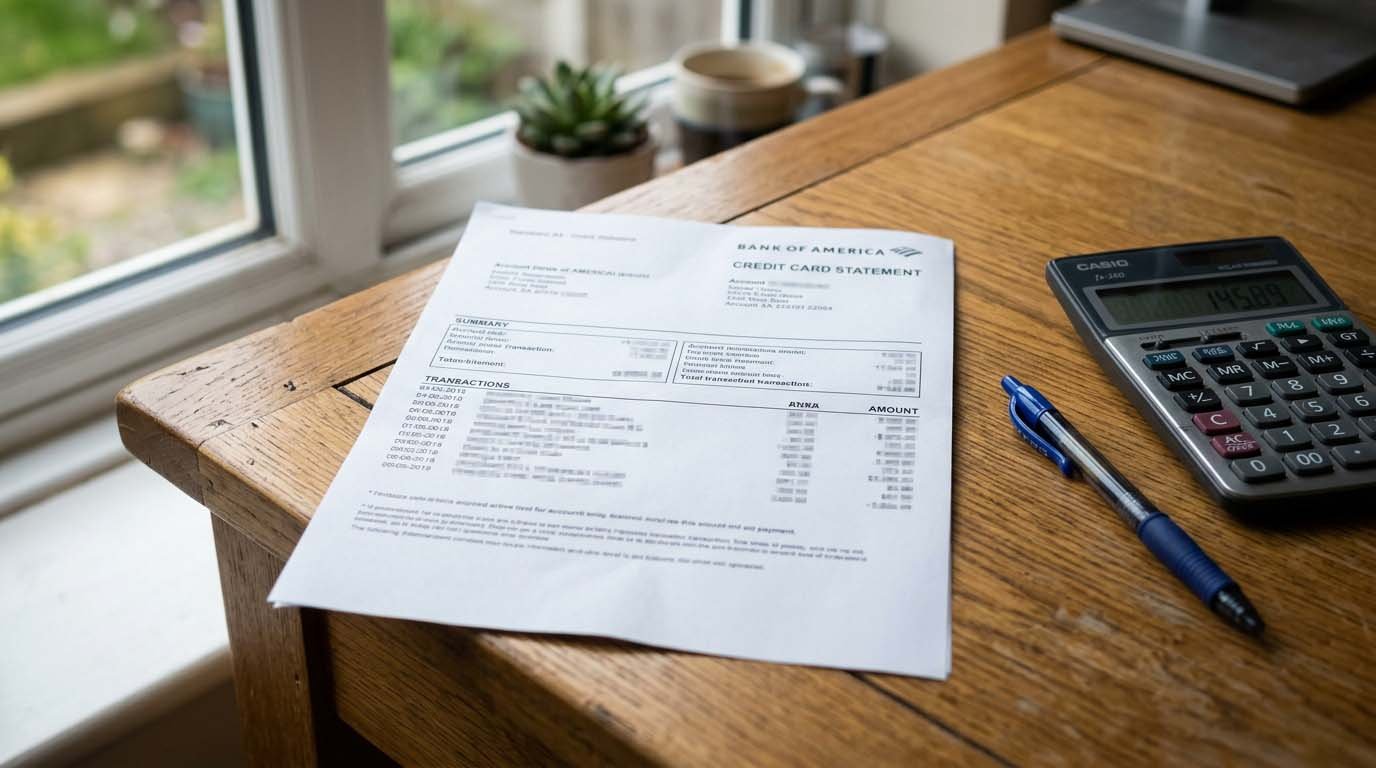
Every card runs on a monthly billing cycle, typically around 28 to 31 days. At the end of that cycle, the issuer tallies up everything you charged and generates a statement. That statement lists a balance and a due date, usually about three weeks out.
Here’s the part that trips people up. Your due date isn’t the same as your billing cycle’s end date. And interest doesn’t start the moment you make a purchase. Most cards give you a grace period, the stretch of time between when your statement closes and when payment is due. Pay your full statement balance by that due date, and you owe no interest on those purchases. Miss it, or pay only part of it, and interest starts accruing. It usually gets backdated to the purchase date itself, not the due date.
Your card also tracks two separate numbers that people often confuse: the statement balance and the current balance. The statement balance freezes at the moment your billing cycle ends, and that’s the figure your grace period cares about. The current balance keeps moving after that, since it includes anything you’ve charged since the statement closed. Pay off your statement balance, and you’re in the clear for interest, even if your current balance shows a higher number because of purchases made this week.
What happens when you don’t pay in full
Carry a balance past the due date, and the card’s APR kicks in. For most credit cards, the APR and the interest rate match. Cards rarely charge the upfront origination fees that get folded into a loan’s APR. Our APR vs Interest Rate guide goes deeper on why that distinction matters for other types of credit, even though it barely matters here.
Card issuers charge interest daily, not monthly. They take your APR and divide it by 365 to get a daily periodic rate. Then they apply that rate to your balance every single day. This is why credit card debt compounds so fast compared to, say, a personal loan. Interest joins your balance daily, and the next day’s interest calculates off that slightly larger number. A $3,000 balance at 22% APR racks up roughly $1.80 in interest on day one alone. That daily charge keeps climbing as unpaid interest joins the principal. Our How Is Credit Card Interest Calculated? guide walks through the full formula issuers use, step by step, with worked examples.
The minimum payment on your statement exists to keep your account in good standing, not to get you out of debt efficiently. Paying only the minimum on a high balance can stretch repayment out for years. It can also multiply the total interest you pay. Our Minimum Payment vs Full Payment article breaks down exactly how much that gap costs over time. Want to see exactly how much a specific balance will cost you over time? Our Credit Card Payoff Calculator lays out the real numbers based on your balance, APR, and payment amount.
Your credit limit, your utilization, and your score
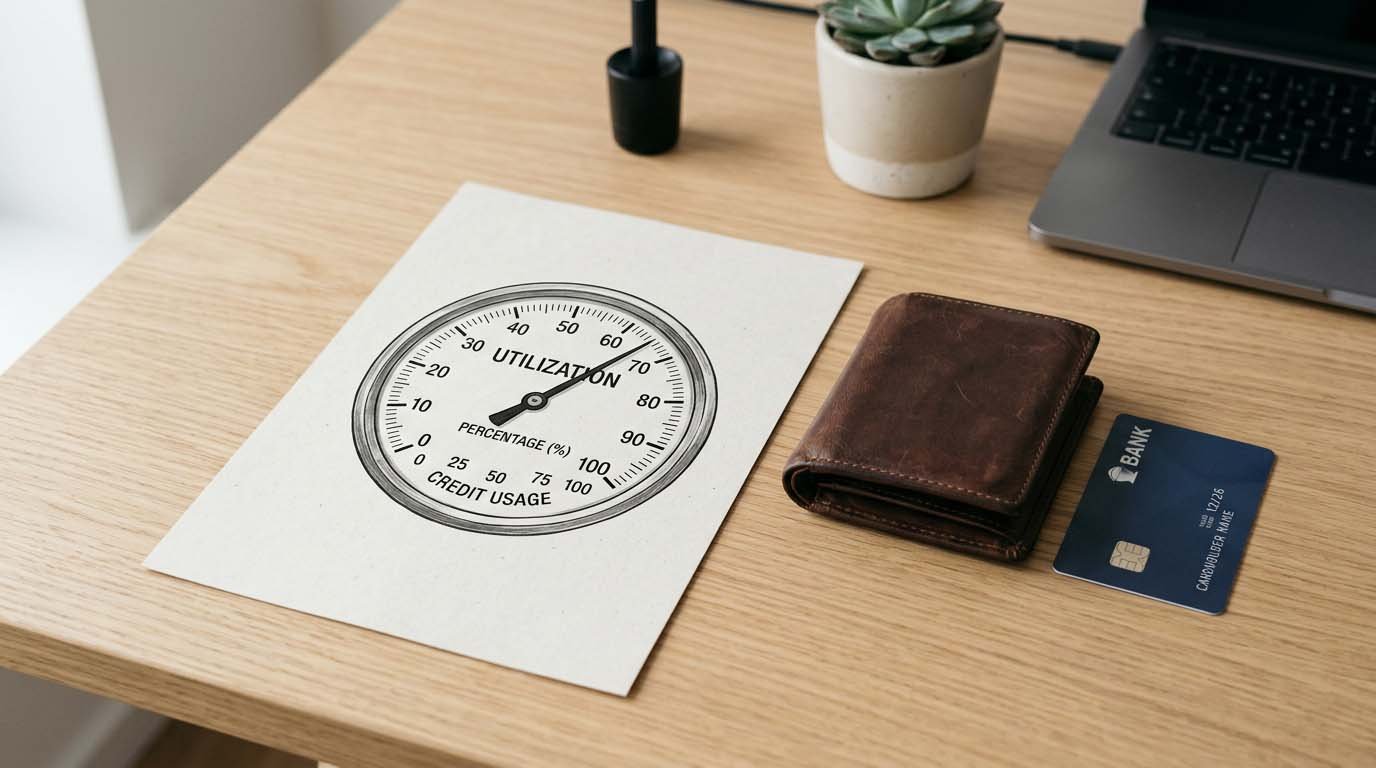
Every card comes with a credit limit, the maximum balance the issuer lets you carry. How much of that limit you’re using at any given time is your credit utilization. It’s one of the biggest factors in your credit score, second only to payment history. A $5,000 limit with a $4,000 balance puts you at 80% utilization. Credit scoring models generally read that as a red flag, even if you’ve never missed a payment.
This surprises a lot of people. Your score can drop even when you’re paying on time, simply because you’re using too much of what’s available to you. Our Credit Utilization Explained article breaks down where the commonly cited “30% rule” actually comes from, and why the real target often runs lower. For a broader look at how utilization fits alongside payment history and the other pieces of your score, see What Is a Credit Score?
The fees that catch people off guard
Interest isn’t the only cost built into a credit card. Annual fees run anywhere from $0 to several hundred dollars, usually in exchange for rewards or travel perks. Late fees hit if a payment misses the due date, typically $25 to $40. They can also trigger a penalty APR higher than your normal rate. Cash advance fees apply if you use your card to withdraw cash. Those transactions usually start accruing interest immediately, with no grace period at all.
Balance transfer fees show up when you move debt from one card to another, commonly 3% to 5% of the amount transferred. That fee can still pay off if the new card offers a long 0% introductory period. The interest savings can outweigh the transfer cost. Our Balance Transfer Cards guide walks through when that math actually works in your favor.
A side-by-side example
Say you charge $2,000 in a month and pay your statement in full by the due date. Total cost: $0 in interest, plus whatever rewards you earned on the spending. Now say you carry that same $2,000 at 24% APR and pay only the minimum, typically 2% of the balance or $25, whichever is higher. It would take you well over nine years to pay it off. You’d hand the bank more in interest than you originally borrowed.
Same card, same purchases, wildly different outcomes. The only thing that changed was whether the balance got paid in full. That’s the whole game with credit cards. They’re free financing if you clear the statement every month, and expensive debt the moment you don’t.
Where rewards fit into the picture
Many cards offer cash back, points, or miles on top of the basic borrowing mechanism. Those rewards only make financial sense if you’re paying your statement in full every month. A card offering 2% cash back sounds appealing, but 2% back on your spending doesn’t come close to offsetting 22% APR on a carried balance. Rewards are a bonus for people who already pay in full, not a reason to justify carrying debt you otherwise wouldn’t.
Some cards also charge a higher annual fee in exchange for richer rewards. Whether that trade-off makes sense depends entirely on how much you spend in the categories that earn bonus rewards, and whether you’d redeem the value the card promises. Worth running the math each year rather than assuming the fee still pays for itself.
How credit cards compare to other debt
Credit cards fall into a category called unsecured debt. No asset backs the loan the way a house backs a mortgage or a car backs an auto loan. That’s part of why credit card APRs run so much higher than secured loans. The issuer takes on more risk with nothing to repossess if you stop paying. Our Secured vs Unsecured Debt article covers how that distinction affects both the rate you’re offered and what happens if a balance goes unpaid.
Using a card to build credit, not just spend
Used well, a credit card is one of the more efficient tools for building a credit history from scratch. Consistent on-time payments and low utilization report to the credit bureaus every month. Over time, that builds the track record lenders look for on mortgages, auto loans, and other credit cards. Our Build Credit From Scratch guide walks through the first steps if you’re starting with no credit history at all. And How to Improve Your Credit Score Fast covers the moves that show up quickest once you already have a card open.
Check the real cost before you carry a balance
If you’re weighing whether to carry a balance, pay it off faster, or transfer it somewhere cheaper, run the actual numbers instead of guessing. Our Credit Card Payoff Calculator shows how long a balance takes to clear at different payment levels. Comparing a card’s rate against a personal loan or another form of credit? The APR Calculator puts both offers on the same footing. And if you’re juggling a card alongside other debts, our Debt Payoff Calculator can help you decide which balance to attack first.
None of these tools will make the decision for you. But they’ll replace guesswork with an actual number, and that’s usually the difference between a card that quietly costs you money and one that works in your favor.
Common questions about how credit cards work
No, not if you pay your entire statement balance by the due date. Most cards charge zero interest on those purchases thanks to the grace period. Interest only starts once you carry part of a balance past the due date.
Utilization, how much of your credit limit you’re currently using, gets scored independently of payment history. A high balance relative to your limit can lower your score even with a perfect payment record. The bureaus see whatever balance sits on your account when your statement closes.
This is a common myth. Carrying a balance doesn’t help your score, it only costs you interest. Paying your statement in full every month builds the same positive payment history without any interest charge.
A few more things worth knowing
Issuers divide your APR by 365 to get a daily rate. They apply it to your balance every day, and that interest joins the balance the next day’s interest calculates from. This daily compounding is why unpaid balances grow faster than a simple annual rate suggests.
Your credit limit is the total maximum the issuer allows. Available credit is what’s left after subtracting your current balance and any pending charges. Pay down what you owe, and available credit goes back up, since the line revolves rather than acting as a one-time loan.
It can. Closing a card removes that limit from your total available credit, which can raise your overall utilization on the cards you keep open. It can also shorten your average account age over time. That doesn’t mean you should never close a card. Just weigh those effects first.