Should You Pay Off a Loan Early?
Extra cash shows up, and the debt-free instinct kicks in: throw it at the loan. Sometimes that’s the right move. Sometimes it isn’t. The answer depends on your interest rate, whether a prepayment penalty applies, and what else that money could be doing for you instead. Here’s how to actually work it out.

It’s a math comparison, not a feeling
Paying off a loan early feels good. That relief is real, but it’s not the same thing as the right financial call. Every dollar you put toward extra loan payments is a dollar that isn’t doing something else, whether that’s sitting in an emergency fund, growing in an investment account, or paying down a different debt at a higher rate. The question worth asking isn’t “should I be debt-free faster,” it’s “does this extra payment beat every other use of that same dollar.”
There’s no single right answer that applies to everyone, since the calculation depends on your specific rate, your other financial obligations, and how comfortable you are trading a guaranteed outcome for a probable one. What follows is the framework for working through that decision, not a blanket rule to apply without checking your own numbers first.
Our How Do Personal Loans Work? guide covers how amortization affects your balance over time, which matters here too, since where you are in the loan’s term changes how much an extra payment actually saves.
Check for a prepayment penalty first
Before sending any extra money, check your loan agreement for a prepayment penalty. Some loans, particularly certain mortgages and a smaller share of personal loans, charge a fee if you pay off the balance faster than scheduled. This fee exists because the lender loses out on interest income it was counting on. If your loan carries this penalty, run the math on whether the interest you’d save still outweighs the fee before making extra payments.
Most modern personal loans and federal student loans don’t carry prepayment penalties, but it’s a five-minute check worth doing before making extra payments, since it can prevent an unpleasant surprise later.
The guaranteed return of paying down debt
Paying extra toward a loan at 8% interest is mathematically equivalent to earning an 8% guaranteed return, since that’s the rate you’d otherwise keep paying. This framing helps compare the decision against other options. Very few investments guarantee an 8% return with zero risk, which is why paying off a high-rate loan early often beats investing the same money, at least on a pure numbers basis.
The higher the loan’s rate, the stronger this argument gets. A loan at 22% is a much easier case for early payoff than a loan at 4%, since almost nothing reliably returns 22% a year, while plenty of long-term investments have historically returned more than 4%. Credit card debt, which commonly sits in the 20% to 30% range, is almost always the clearest candidate for prepayment over any competing use of extra cash. Our How Is Credit Card Interest Calculated? guide covers why that specific type of debt compounds so aggressively if left unpaid.
When investing instead wins
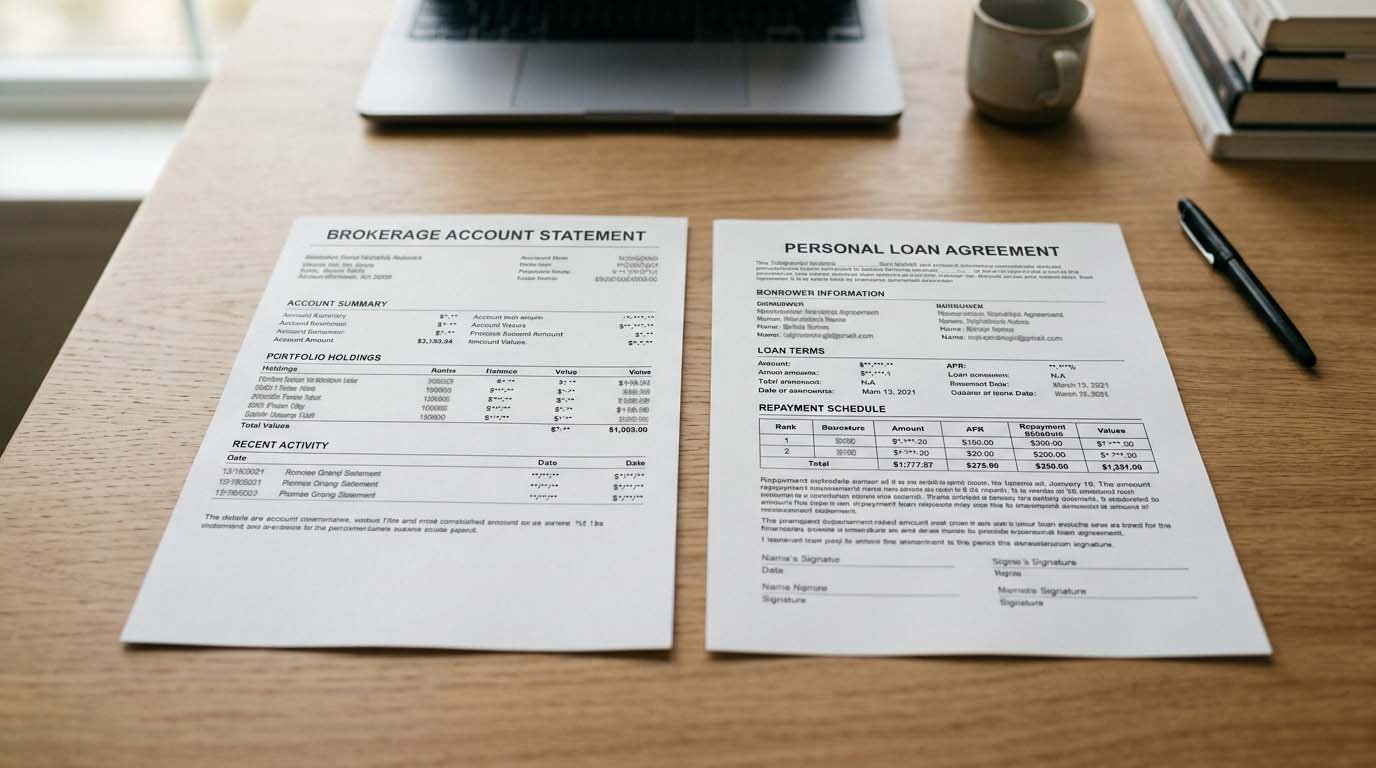
Low-rate debt changes the calculation entirely. A loan at 4% or 5% APR, especially one with tax-deductible interest, can be cheaper to carry than the expected long-term return from investing the same money in a diversified portfolio. Historical stock market returns have averaged well above 4% to 5% annually over long periods, though that return isn’t guaranteed the way the interest savings from paying off debt are.
This creates a genuine trade-off between a guaranteed smaller return and a probable larger one. There’s no universally correct answer here, since it depends on your risk tolerance, your time horizon, and how much uncertainty you’re comfortable carrying alongside a loan payment. Someone close to retirement with a low tolerance for market swings might reasonably favor the guaranteed savings from prepayment, even at a lower rate. Someone decades away from needing the money, with a long time horizon to ride out market volatility, might reasonably favor investing instead, accepting the added risk in exchange for a higher expected return. Our Investment Calculator can help you estimate the potential growth of investing extra cash instead of using it for prepayment, so you can compare the two paths on similar terms.
How loan age changes the math
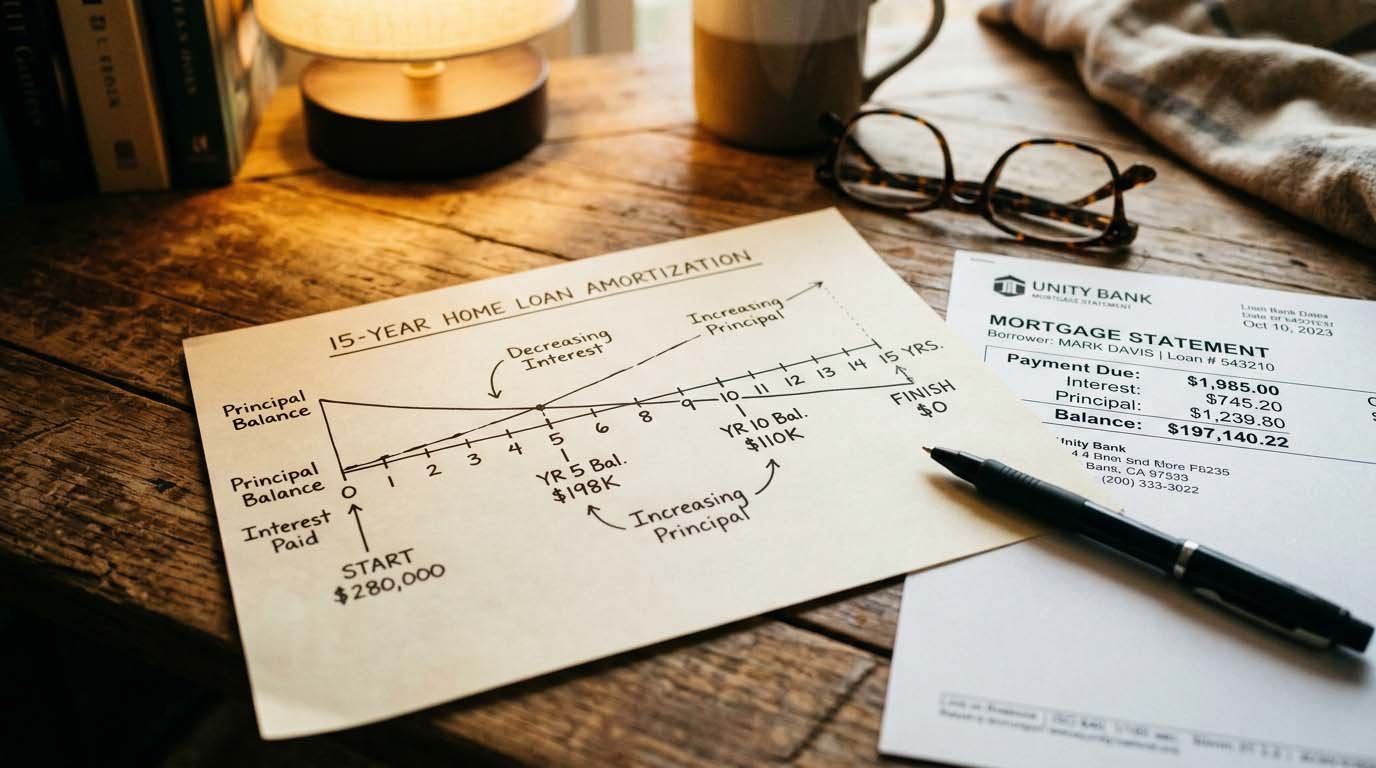
Amortized loans, like mortgages, auto loans, and most personal loans, front-load interest and back-load principal. Early in a loan’s term, a bigger share of each payment covers interest. Later in the term, more of each payment reduces principal. This means an extra payment made early in a loan’s life saves more total interest than the same extra payment made near the end, since it eliminates principal that would otherwise generate years of future interest charges. Our How Amortization Works article breaks down this front-loading pattern with a full worked example.
Practically, this means extra payments generally deliver the biggest bang for the buck earlier in a loan’s term, and the smallest bang for the buck near the very end, when the remaining balance is already mostly principal.
Emergency fund first, extra payments second
Before directing extra cash toward a loan, most financial guidance suggests having a basic emergency fund in place first, typically covering a few months of essential expenses. Without that buffer, an unexpected car repair or medical bill can force you to borrow again, sometimes at a much higher rate than the loan you were trying to pay down. Sending every spare dollar toward loan prepayment while carrying no cash cushion can leave you worse off overall, even though the loan balance looks better on paper. Our Emergency Fund vs Investing article covers this same prioritization question from a slightly different angle, and the logic applies just as well to loan prepayment.
Tax-deductible debt changes the calculation
Some loans carry tax-deductible interest, most notably mortgage interest for many homeowners, within certain limits set by current tax law. A deductible interest rate effectively costs less than its stated rate, once the tax benefit is factored in. A 6% mortgage rate might behave closer to a 4.5% or 5% effective rate after the deduction, depending on your tax bracket and whether you itemize deductions at all. This lowers the bar that an alternative use of the money, like investing, needs to clear to make more sense than prepayment. It’s also worth noting that many taxpayers now take the standard deduction rather than itemizing, which means the mortgage interest deduction doesn’t apply to everyone with a mortgage. Since tax rules vary by individual situation and can change, this is worth confirming with a tax professional rather than assuming a blanket deduction applies.
A side-by-side example

Say you have $5,000 in extra cash and a personal loan with a $10,000 balance at 9% APR and three years remaining. Put that $5,000 toward the loan, and you’ll save roughly $850 in interest over the remaining term while shortening the payoff timeline by about 16 months.
Now say instead you invest that same $5,000 in a diversified portfolio averaging a 7% annual return over those three years. It would grow to roughly $6,125, a $1,125 gain, though that return isn’t guaranteed the way the loan interest savings are. In this specific example, investing edges out prepayment on expected value, but only by accepting market risk that the loan payoff doesn’t carry. Our Loan Calculator and Debt Payoff Calculator let you run this same comparison using your actual loan balance, rate, and remaining term.
What to check before making extra payments
Confirm with your lender that extra payments apply directly to principal, not to future scheduled payments. Some lenders default to applying extra funds toward your next payment due date instead, which doesn’t shorten your loan term or reduce total interest the way a direct principal payment does. A quick call or a note in your online payment portal usually resolves this, but it’s worth verifying before assuming your extra payment worked the way you intended. Ask specifically for the payment to be applied as “principal only” or “additional principal,” since that phrasing is what most servicers use internally to route the funds correctly.
Check your own numbers
The right answer depends on your specific loan’s rate, how much term remains, whether a prepayment penalty applies, and what your emergency fund and other financial goals look like. Run your own loan details through our Loan Calculator or Personal Loan Calculator to see the real interest savings from extra payments, and compare that number against what the same cash could realistically earn elsewhere before deciding.
There’s no shame in choosing the guaranteed savings over the probable gain, and there’s no shame in choosing the reverse either. Both are reasonable positions once you’ve actually run the comparison. What matters is making the choice deliberately, with real numbers in front of you, rather than defaulting to whichever option feels more emotionally satisfying in the moment.
Common questions about paying off a loan early
It can cause a small, temporary dip in some scoring models, mainly because it reduces your credit mix and can slightly shorten your average account age. The effect is usually minor and short-lived, and it’s generally outweighed by the interest savings from paying off the debt.
Not necessarily. If the loan’s rate is low, especially if the interest is tax-deductible, investing the extra cash instead can often produce a higher expected return over time. This comes with more risk than the guaranteed savings from prepayment, so the right choice depends on your comfort with that trade-off.
Generally, yes, from a pure interest-savings standpoint. A high rate is difficult to beat with any low-risk alternative, which makes early payoff the mathematically stronger choice in most high-rate situations, as long as you’re not sacrificing an emergency fund to do it.
A few more things worth knowing
It’s a fee some lenders charge if you pay off a loan faster than the original schedule, meant to offset the interest income the lender expected to earn. Not all loans carry this fee, so it’s worth checking your loan agreement before making a large extra payment.
Yes. Extra payments made earlier in an amortized loan’s term save more total interest than the same payment made later, since early payments eliminate principal that would otherwise accrue interest for years to come.
Most financial guidance suggests yes. Without a basic emergency fund, an unexpected expense can force you to borrow again, sometimes at a worse rate than the loan you were trying to pay down faster.