Articles
Plain-language explainers on how money and the economy actually work, without the jargon. New articles are added regularly.
 Basic Economics
What Is Inflation and Why Does It Matter to You?
What actually drives rising prices, who benefits from inflation and who gets hurt by it, and how the 1970s compares to 2021-2023.
 Basic Economics
Supply and Demand Explained With Real-World Examples
Concert tickets, avocados, gas prices, and rent: the same two forces setting the price in every market you shop in.
 Basic Economics
What Is GDP and Why Should You Care About It?
What the number in the headlines actually measures, and why it ends up affecting your job and your mortgage rate.
 Basic Economics
Recession vs. Depression: What’s the Difference?
One shows up every few years. The other has happened once in the last century. Here’s how they’re actually different.
 Basic Economics
How Interest Rates Affect the Economy (and Your Wallet)
One number, set eight times a year, that quietly shapes your mortgage, your credit card bill, and your savings account.
 Basic Economics
What Causes a Stock Market Crash?
Bubbles, borrowed money, panic, and outside shocks: the four ingredients behind every major market crash in history.
 Basic Economics
Fiscal Policy vs. Monetary Policy: What’s the Difference?
Two very different levers, pulled by two very different groups of people, both aimed at the same economy.
 Basic Economics
What Is CPI (Consumer Price Index) and How It’s Measured
The number behind every inflation headline. Here’s how the government actually calculates it each month.
 Basic Economics
Yield Curve Inversion: What It Signals About Recessions
One of the most closely watched recession warnings in finance, with a genuinely impressive track record.
 Basic Economics
How the Federal Reserve Controls Interest Rates
The Fed doesn’t set your mortgage rate directly. Here’s the one number it actually controls, and how it ripples into everything else.
 Basic Economics
What Is the Federal Funds Rate?
The number behind every Fed headline, from its dramatic history to what it means for your own accounts.
 Interest & Growth
Simple Interest vs. Compound Interest: Which Grows Faster?
Same starting amount, same rate, same number of years. One method ends thousands of dollars ahead of the other.
 Interest & Growth
How Compound Interest Can Make You a Millionaire
$500 a month doesn’t sound like a fortune. Left alone for 35 years at a reasonable return, it can turn into more than a million dollars.
 Interest & Growth
APY vs. APR: The Difference That Actually Matters
Two acronyms, both percentages, both about interest, and both regularly confused with each other.
 Interest & Growth
The Rule of 72: A Quick Way to Estimate How Fast Your Money Doubles
No calculator, no spreadsheet, just one division problem to estimate how long it takes money to double.
 Interest & Growth
What Is CAGR and How Does It Work?
One number that turns a messy string of ups and downs into a single, comparable growth rate.
 Interest & Growth
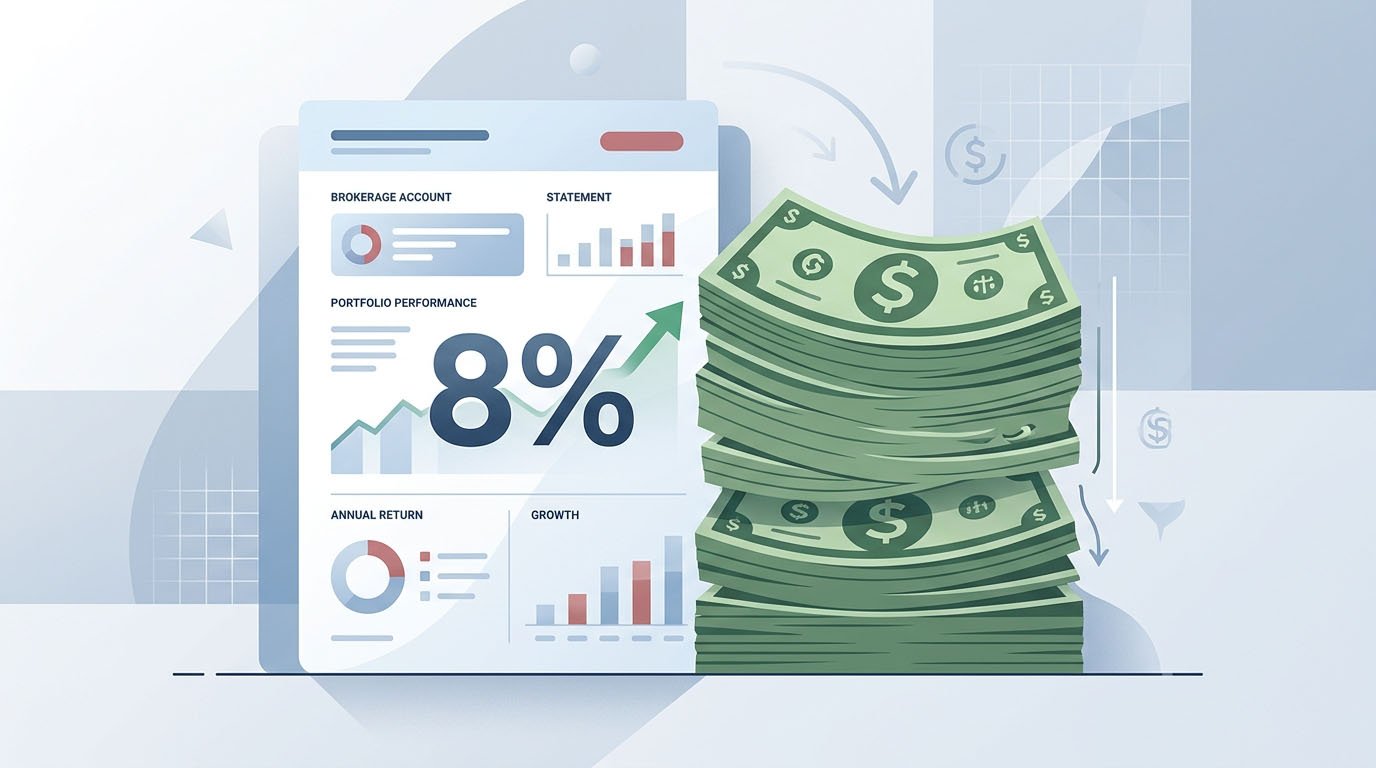
Nominal Return vs Real Return: The Gap Inflation Leaves Behind
Your statement says you gained 8%. Inflation has other plans for that number.
 Interest & Growth
How Inflation Affects Investment Returns
Inflation doesn’t hit every investment the same way. Here’s which ones actually absorb the blow.
 Loans & Debt
How Does a Mortgage Actually Work?
The same monthly payment for 30 years, but the money inside it shifts dramatically from the first year to the last.
 Loans & Debt
Fixed vs. Variable Interest Rates: Which Is Better?
One locks in certainty. The other bets that today’s discount is worth tomorrow’s risk.
 Loans & Debt
How to Pay Off Credit Card Debt Faster
The same balance can take nearly seven years to clear, or under three, depending on how much you pay each month.
 Loans & Debt
Debt Snowball vs. Debt Avalanche: Which Method Wins?
One saves you more money. The other keeps you motivated. Here’s how to choose.
 Loans & Debt
What Is APR and Why It Isn’t the Same as Your Interest Rate
Two loans, two identical interest rates, two completely different actual costs.
 Loans & Debt
How Do Personal Loans Work?
A lump sum, a fixed rate, one payment every month. Here’s how approval, fees, and payoff actually work.
 Loans & Debt
Should You Pay Off a Loan Early?
Extra cash and a loan balance. The guaranteed math behind paying it down versus investing instead.
 Loans & Debt
How to Compare Two Loans
The lower monthly payment isn’t always the cheaper loan. Here’s the number that actually decides it.
 Loans & Debt
What Is a Loan Origination Fee?
A small percentage that can quietly shift which of two loan offers actually costs less.
 Investing & Retirement
How Does the Stock Market Actually Work?
Millions of buy and sell orders, matched in fractions of a second, setting a price for a piece of a company.
 Investing & Retirement
What Is a 401(k) and How Does It Work?
Free money from your employer, a tax break from the government, and decades of compounding.
 Investing & Retirement
The 4% Rule: How Much Can You Safely Withdraw in Retirement?
A single percentage, drawn from three decades of market data, still shapes retirement planning today.
 Investing & Retirement
Dollar-Cost Averaging Explained for Beginners
Investing the same amount every month, no matter what the price is doing, quietly works in your favor.
 Investing & Retirement
Roth IRA vs. Traditional IRA: Which Is Right for You?
The same contribution, taxed at two different points in time. Which one wins depends on your future tax bracket.
 Investing & Retirement
Index Funds vs Mutual Funds: What’s the Difference
An index fund is technically a type of mutual fund. The real question is active versus passive management.
 Investing & Retirement
What Is an ETF (and How It Differs From a Stock)
Both trade on an exchange, but one owns a single company and the other owns a whole basket of them.
 Investing & Retirement
Bear Market vs Bull Market: What History Shows
Bull markets have historically lasted years. Bear markets have historically lasted months. Here’s the data behind that gap.
 Investing & Retirement
Dollar-Cost Averaging vs Lump Sum Investing
A windfall lands in your account. History shows which approach wins more often, and why some investors still pick the other.
 Investing & Retirement
What Is Diversification (and Why One Stock Isn’t a Plan)
One company, no matter how much you believe in it, can still wipe out a chunk of your portfolio overnight.
 Investing & Retirement
Dividend Investing 101: How Payouts Actually Work
A company pays you cash just for owning its stock. The dates, the yield traps, and the taxes are the part people miss.
 Investing & Retirement
Roth 401(k) vs Traditional 401(k)
One guess about your future tax rate decides everything else in this comparison. Here’s how to make it.
 Investing & Retirement
401(k) vs IRA: Which Should You Max First
It’s not a competition, it’s a sequence. Here’s the exact order that maximizes your match, your fees, and your limits.
 Investing & Retirement
What Is a Required Minimum Distribution (RMD)
Forced withdrawals, whether you need the cash or not. Here’s how the amount gets calculated and what happens if you miss it.
 Investing & Retirement
Catch-Up Contributions: Retirement Savings After 50
Turn 50, and the IRS lets you save more. Here’s how much extra, and why the age threshold exists in the first place.
 Investing & Retirement
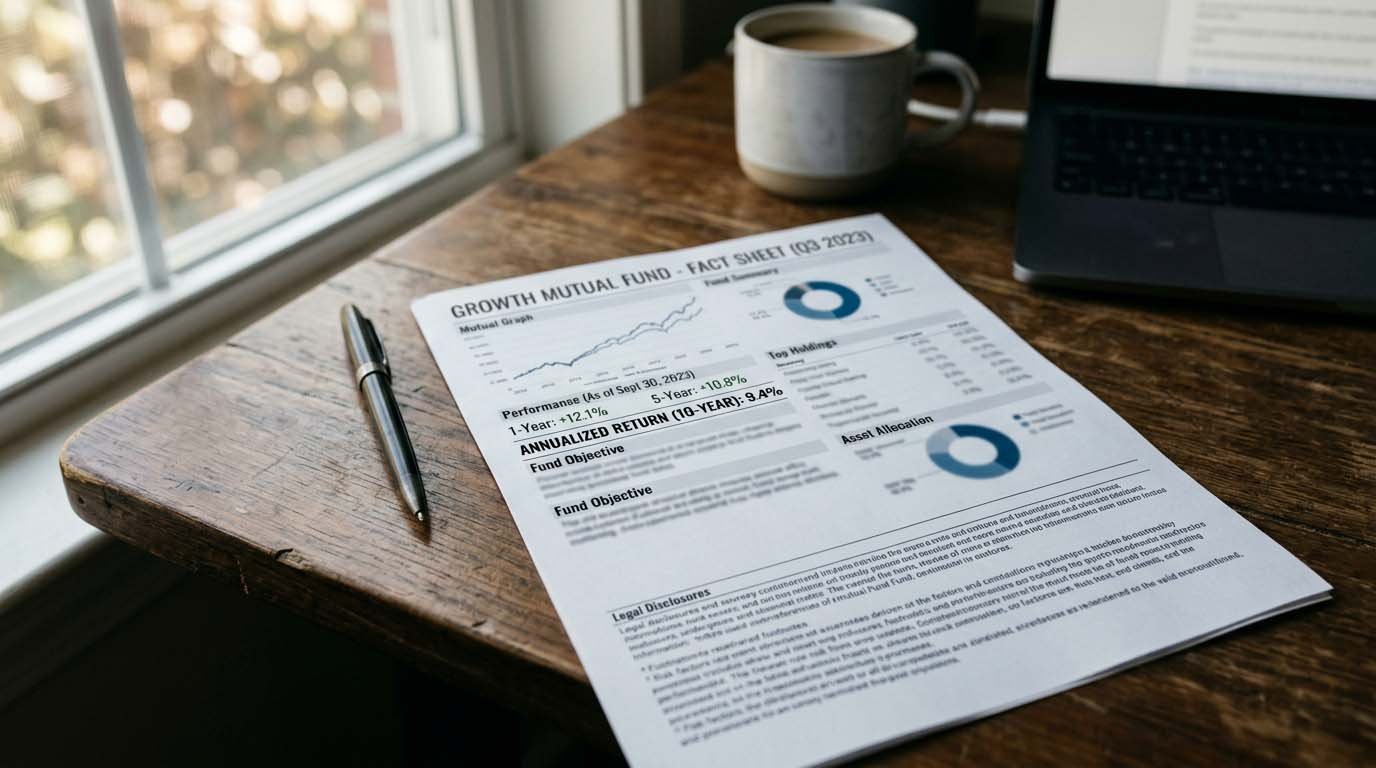
What Is an Expense Ratio?
A fee you never see withdrawn from your account. Here’s how it quietly shapes your returns over decades.
 Investing & Retirement
How to Build a Diversified Investment Portfolio
Nobody can predict which stock or sector wins next year. Here’s how to actually build a diversified mix.
 Investing & Retirement
What Is Asset Allocation?
The split between stocks, bonds, and cash matters more than which stocks you pick. Here’s how to set your own.
 Investing & Retirement
What Is Portfolio Rebalancing?
Your allocation drifts even if you never touch it. Here’s how to pull it back to where you meant it to sit.
 Investing & Retirement
Stocks vs Bonds: What’s the Difference?
Ownership versus a loan. Here’s how the two actually differ in risk, income, and how each behaves in a downturn.
 Investing & Retirement
How Much Money Do You Need to Retire?
There’s no universal number, but there’s a real one for you. Here’s the formula and a worked example.
 Investing & Retirement
How Long Will Your Retirement Savings Last?
Withdrawal rate, sequence of returns risk, and time horizon all decide the answer. Here’s the real math.
 Investing & Retirement
What Is FIRE? Financial Independence Explained
Same 25x math as any retirement plan, just aimed at a much shorter timeline. Here’s how the numbers actually work.
 Investing & Retirement
Lean FIRE vs Fat FIRE vs Coast FIRE
Same formula, three very different lifestyles. Here’s which one actually fits your goals.
 Investing & Retirement
How Social Security Fits Into Retirement Planning
Skip this step, and you’ll oversave by hundreds of thousands. Here’s how claiming age changes your entire number.
 Savings & Budgeting
How to Build an Emergency Fund From Scratch
No savings, a job that feels stable until it isn’t. Here’s how to build a real cushion, one deposit at a time.
 Savings & Budgeting
The 50/30/20 Budget Rule Explained
One paycheck, three buckets, no spreadsheet required. Not a perfect system, but a genuinely useful place to start.
 Savings & Budgeting
How Much Should You Have Saved by Age 30?
Different firms, different formulas, and wildly different answers about what you should have saved.
 Savings & Budgeting
Are High-Yield Savings Accounts Actually Worth It?
Same FDIC protection, same basic function, but a rate that can be many times higher. The catch is smaller than expected.
 Savings & Budgeting
Gross Pay vs. Net Pay: What’s the Difference?
The number on your offer letter and the number in your bank account are rarely the same.
 Savings & Budgeting
Zero-Based Budgeting Explained
Every dollar gets a job before the month starts. Here’s how to build one, step by step.
 Savings & Budgeting
What Is Net Worth (and How to Track It Over Time)
Assets minus liabilities. One number that tells you more than your salary ever could.
 Savings & Budgeting
Sinking Fund vs Emergency Fund: What’s the Difference
One covers surprises. The other covers bills you already know are coming. Here’s how to use both.
 Savings & Budgeting
How Much of Your Income Should You Save?
There’s no single right percentage, but there are real anchors worth knowing.
 Savings & Budgeting
Where Should You Keep Your Emergency Fund?
The right answer balances three things most people only think about one at a time.
 Savings & Budgeting
Emergency Fund vs Investing: Where Should Your Money Go First?
It’s not really either-or. It’s a sequence, and the order matters more than you’d think.
 Credit & Income
What Is a Credit Score and How Is It Calculated?
A three-digit number, built from five weighted ingredients, that decides whether you get approved.
 Credit & Income
How to Improve Your Credit Score Fast
Some moves show up within a single billing cycle. Others take years. Here’s which is which.
 Credit & Income
What Is a Tax Bracket and How Does It Actually Work?
Moving into a higher bracket doesn’t mean your whole paycheck gets taxed at the higher rate.
 Credit & Income
Hourly vs. Salary: Which Pays Better in the Long Run?
Same annual pay on paper, completely different relationships with overtime and every hour worked.
 Credit & Income
Side Hustle Income: What You Owe in Taxes
No employer withholds anything. Here’s the self-employment tax and deadlines nobody warns you about.
 Credit & Income
What Is a Cosigner (and the Risk You’re Taking On)
Someone who agrees to owe money they never spent. Here’s the real risk before you sign for anyone.
 Credit & Income
Standard Deduction vs Itemized Deductions Explained
Pick wrong, and you leave real money on the table. Here’s the one comparison that decides it.
 Credit & Income
What Is Capital Gains Tax?
Sell an investment for a profit, and the IRS wants a cut. Here’s the 2026 rates, and how they actually get calculated.
 Credit & Income
Short-Term vs. Long-Term Capital Gains
One date on your brokerage statement can double your tax bill. Here’s the exact line that decides it.
 Credit & Income
What Is Tax-Loss Harvesting?
A losing position isn’t a total waste. Here’s how to turn it into a real reduction on your tax bill.
 Credit & Income
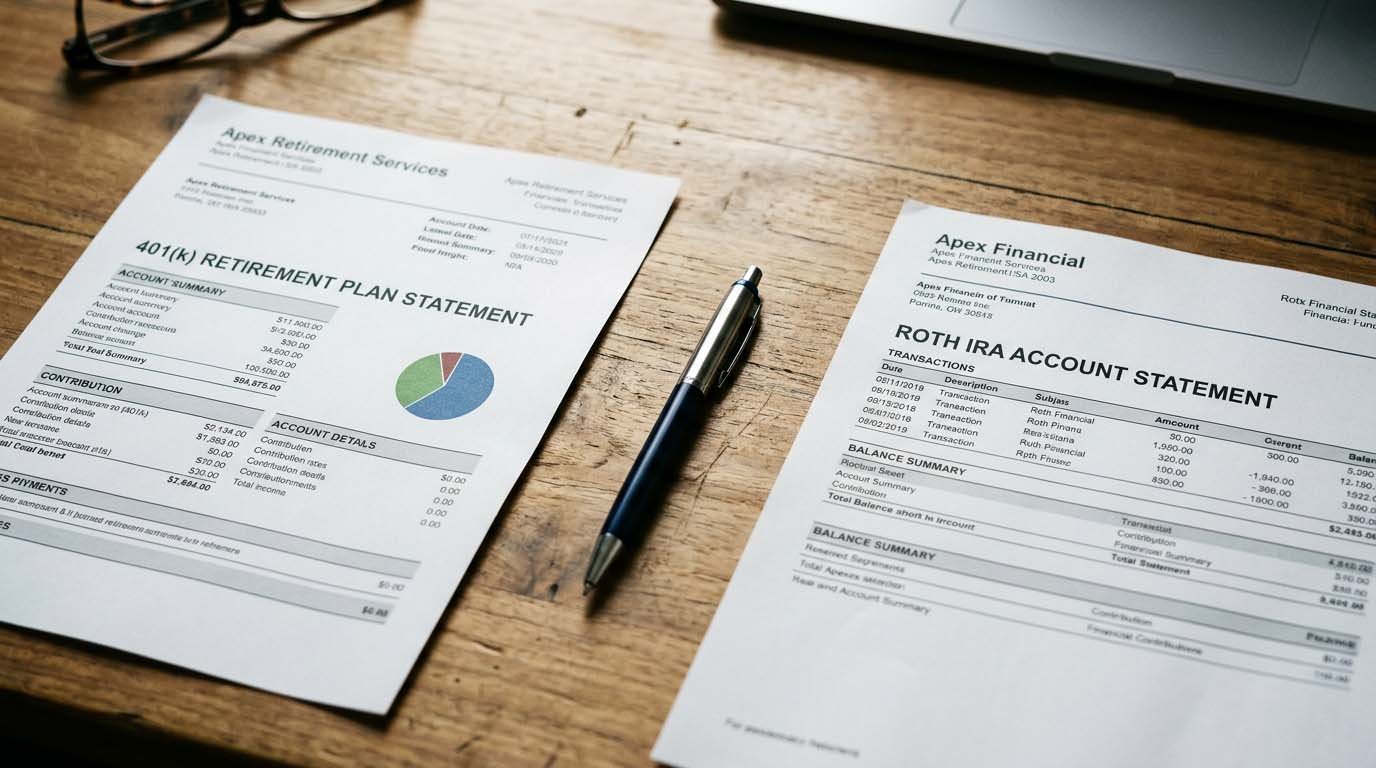
Tax-Deferred vs. Tax-Free: What’s the Difference?
Both sound like good news. Only one makes your tax bill disappear for good. Here’s the real difference.
 Debt & Credit
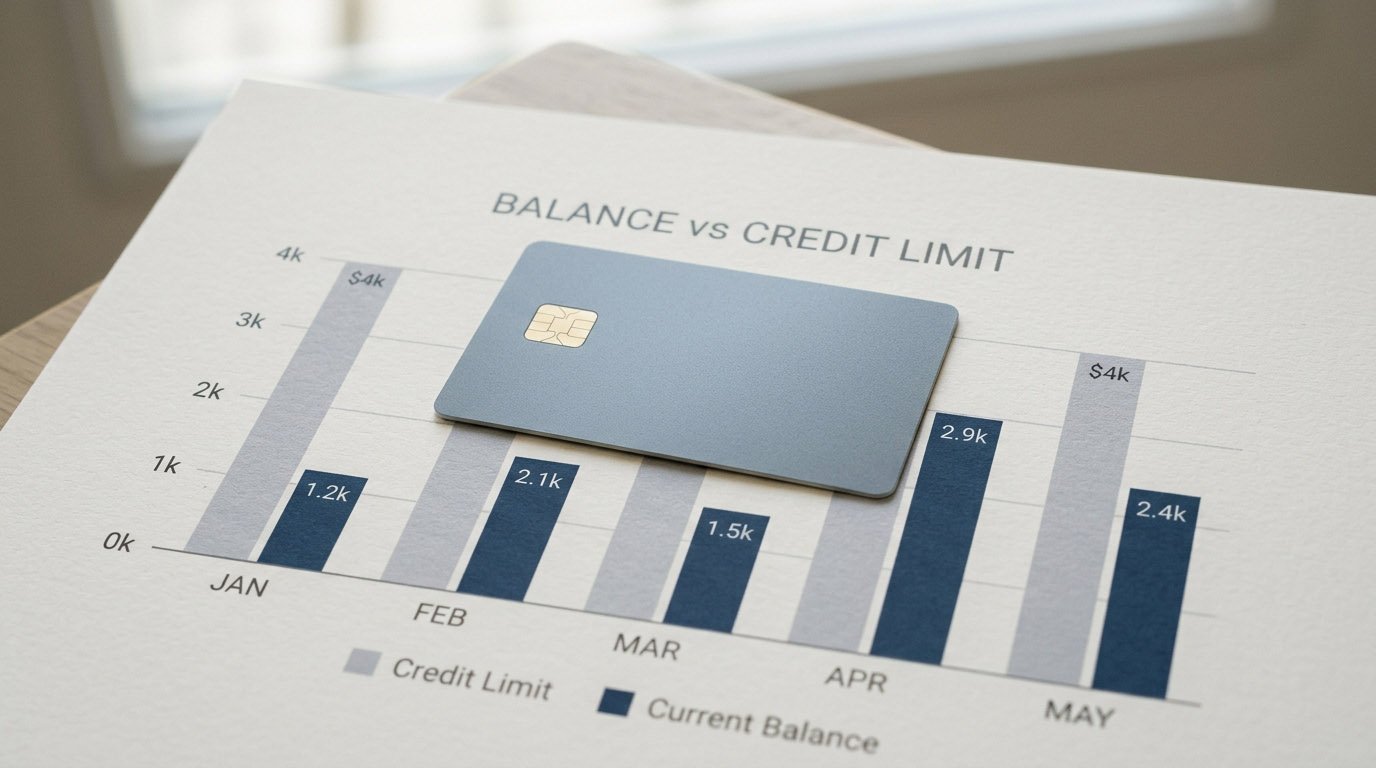
What Is a Debt-to-Income Ratio (and Why Lenders Care)
One number can decide your mortgage approval before a lender even looks at your credit score.
 Debt & Credit
Credit Utilization Explained: The 30% Rule Myth
The number everyone repeats isn’t the target. Here’s how much lower it actually needs to be.
 Debt & Credit
Secured vs Unsecured Debt: Key Differences
One puts an asset on the line. The other puts your credit and income on the line instead.
 Debt & Credit
How to Build Credit From Scratch (No History Required)
No history isn’t the same as bad credit, but it creates the same wall at the counter. Here’s the fastest way through it.
 Debt & Credit
What Is a Credit Freeze vs Credit Lock
Both block new lenders from seeing your file. Only one is backed by federal law.
 Debt & Credit
Balance Transfer Cards: When They Actually Save You Money
A few numbers decide whether the 0% offer saves you hundreds, or costs you more than you started with.
 Debt & Credit
How Do Credit Cards Work?
Free financing if you pay in full, expensive debt the moment you don’t. Here’s the mechanics behind every swipe.
 Debt & Credit
How Is Credit Card Interest Calculated?
Issuers don’t calculate interest once a month, they calculate it every single day. Here’s the real formula.
 Debt & Credit
Minimum Payment vs Full Payment: What’s the Real Cost?
The same $2,000 balance, paid two different ways. One clears in a month, the other takes over a decade.
 Debt & Credit
Balance Transfer vs Personal Loan: Which Is Better?
Two ways to escape high-interest debt. A real $6,000 example shows which one actually costs less.
 Debt & Credit
Credit Card Rewards: Are They Really Worth It?
Cash back and points look like free money. Here’s when the math actually works in your favor.
 Real Estate
Renting vs Buying: A Real Cost Comparison
It’s not a moral question, it’s math. Here’s the real cost comparison, including the expenses most people forget.
 Real Estate
What Is PMI (Private Mortgage Insurance) and How to Avoid It
It protects your lender, not you. Here’s what it costs, how to avoid it, and how to remove it once you qualify.
 Real Estate
Fixed-Rate vs Adjustable-Rate Mortgages (ARM)
One rate never changes, the other starts lower but can rise. Here’s the real trade-off, with numbers.
 Real Estate
What Is Escrow in a Home Purchase
It’s actually two different accounts in a home purchase. Here’s what each one does and why your payment can change.
 Real Estate
HELOC vs Home Equity Loan: Which Fits Your Goal
One gives a lump sum, the other ongoing access to credit. Here’s which fits your specific goal.
 Real Estate
How Amortization Works (Why Early Payments Are Mostly Interest)
Pay the same amount every month for years, and the balance barely moves at first. Here’s why that’s by design.
 Real Estate
How Much House Can You Afford?
Lenders will approve you for more than you should actually spend. Here’s the math that closes that gap.
 Real Estate
15-Year vs 30-Year Mortgage: Which Is Better?
Lower payment or lower total interest. Here’s the real dollar gap behind each option, with a worked example.
 Real Estate
Should You Pay Off Your Mortgage Early?
A guaranteed return versus an uncertain one. Here’s how to actually compare paying down debt against investing.
 Real Estate
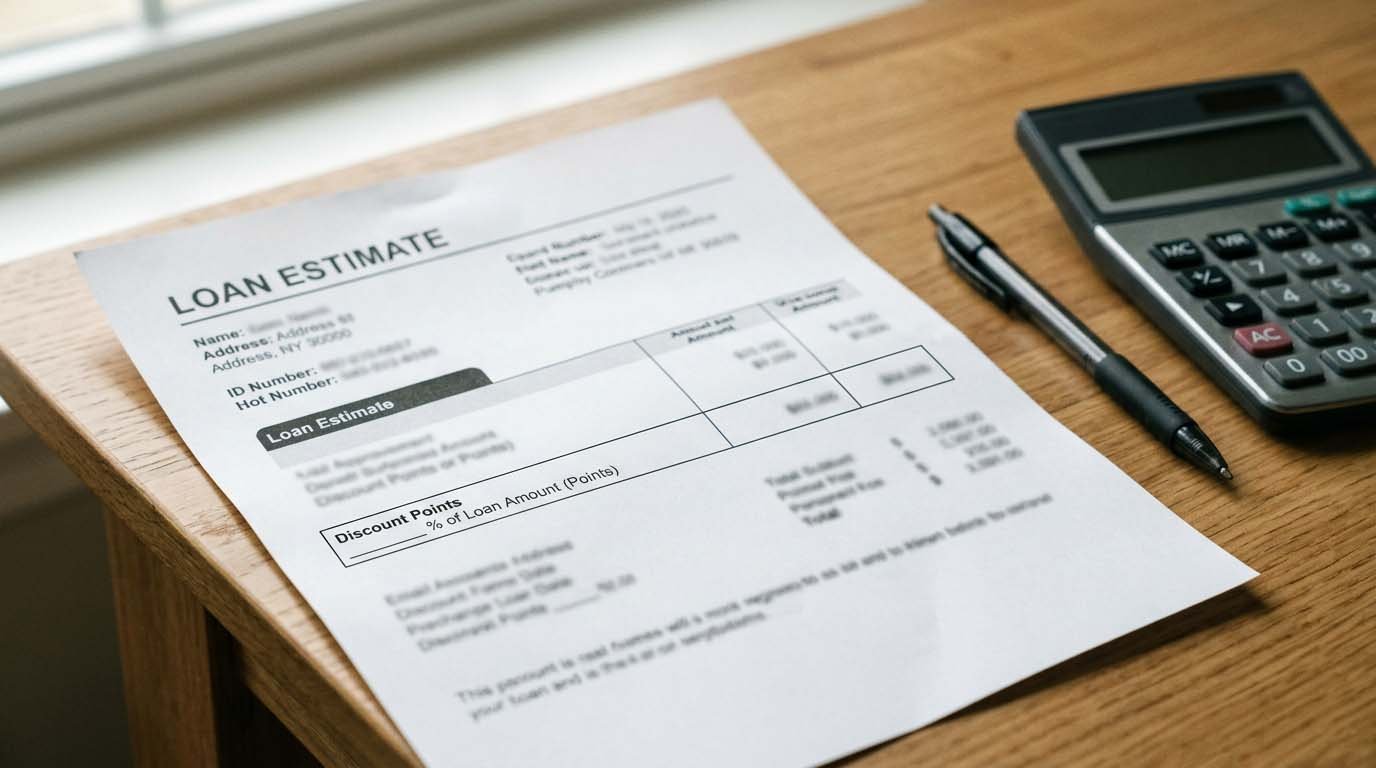
What Are Mortgage Points?
Pay upfront for a lower rate, or don’t. The breakeven math decides which choice actually saves you money.
 Bonds & Fixed Income
What Is a Bond and How Does It Work?
An IOU with a schedule attached. Here’s how coupon rate, yield, and credit risk all fit together.
 Bonds & Fixed Income
Bond Price vs Yield: Why Do They Move in Opposite Directions?
Bond prices and yields always move opposite each other. Here’s the math behind why.
 Bonds & Fixed Income
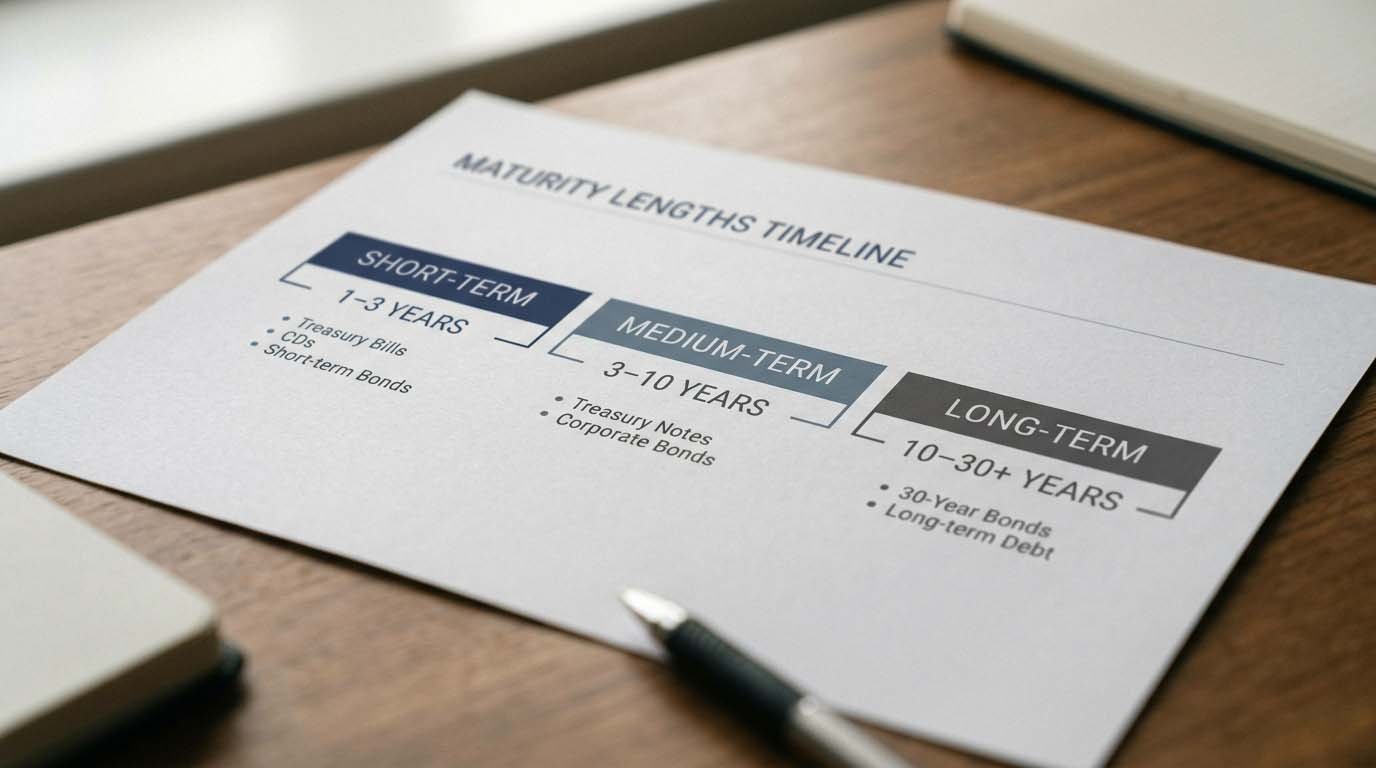
Treasury Bills vs Notes vs Bonds
Same government, three different maturities. Here’s which one fits your timeline.
 Bonds & Fixed Income
What Is Bond Duration?
Two bonds with the same maturity can react very differently to rate changes. Here’s the number that explains why.
 Bonds & Fixed Income
How Interest Rates Affect Bond Prices
A single Fed announcement can move bond prices in minutes. Here’s the mechanism connecting the two.